
Wandering Pain: Wind and the Body
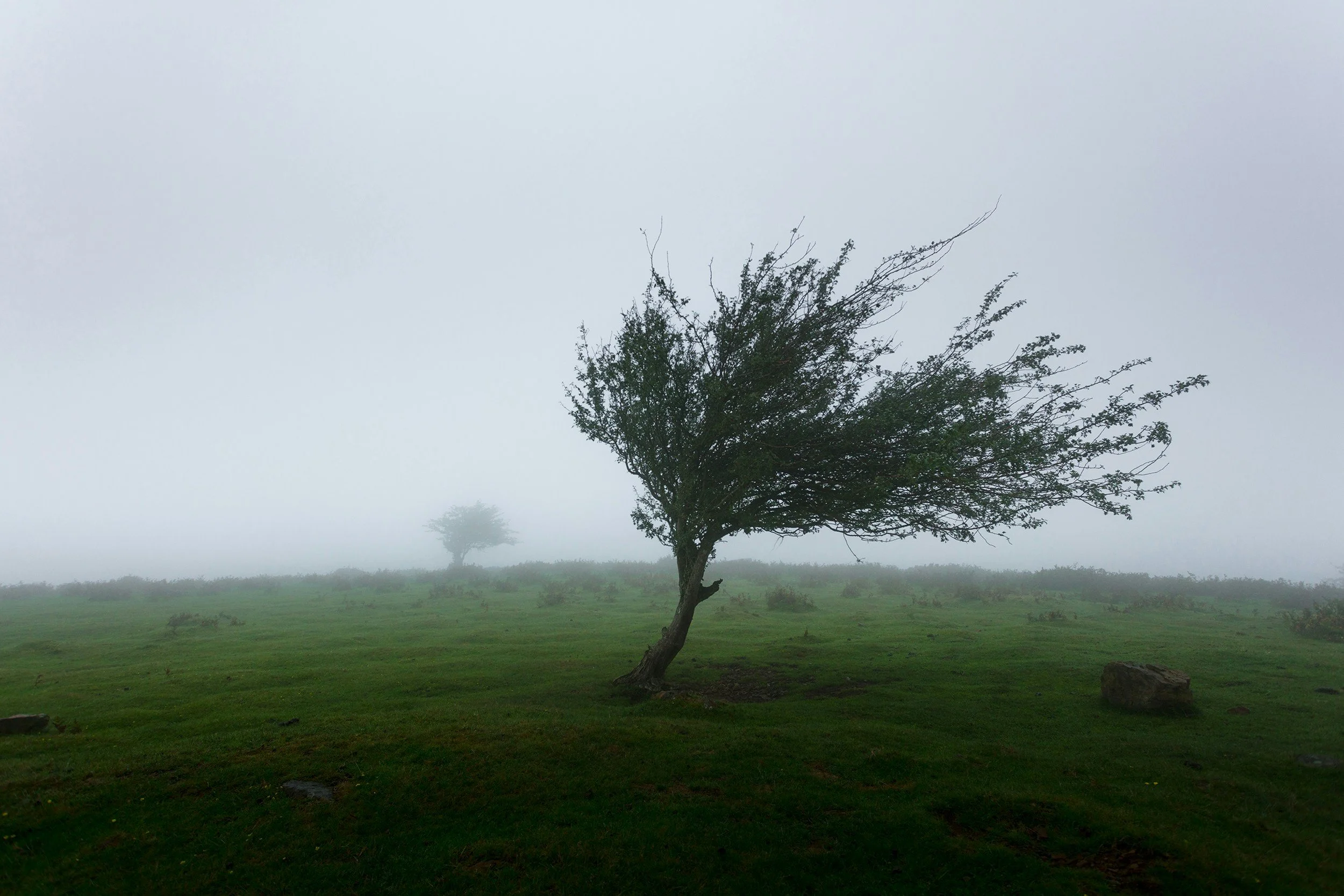
Far too often, our medical system (siloed as it is) winds up chasing symptoms. Pain is a tricky subject, especially if it has no obvious cause. As a country, we have a problem with pain management. Americans are overworked and traumatized by systemic inequities; it’s no wonder that many people struggle with chronic, vague pain, or diagnoses of slipped discs, arthritis, sciatica. All the diagnoses rack up and can feel overwhelming and even hopeless. In this post, we will explore one common cause of pain according to traditional Chinese medicine (TCM), as well as our strategies for reducing pain and boosting quality of life.
Can acupuncture help?
Yes! When it comes to treating chronic pain disorders that are often comorbid with depression and PTSD (such as fibromyalgia), acupuncture and herbal medicine tends to show measurable benefit in multiple clinical studies (Yang et al). Acupuncture and herbs may also help with things like rheumatoid arthritis, osteoarthritis, and even gout. We still need to keep researching why acupuncture works, but one thing is for sure: acupuncture and herbs are worth a try as you treat your chronic pain.
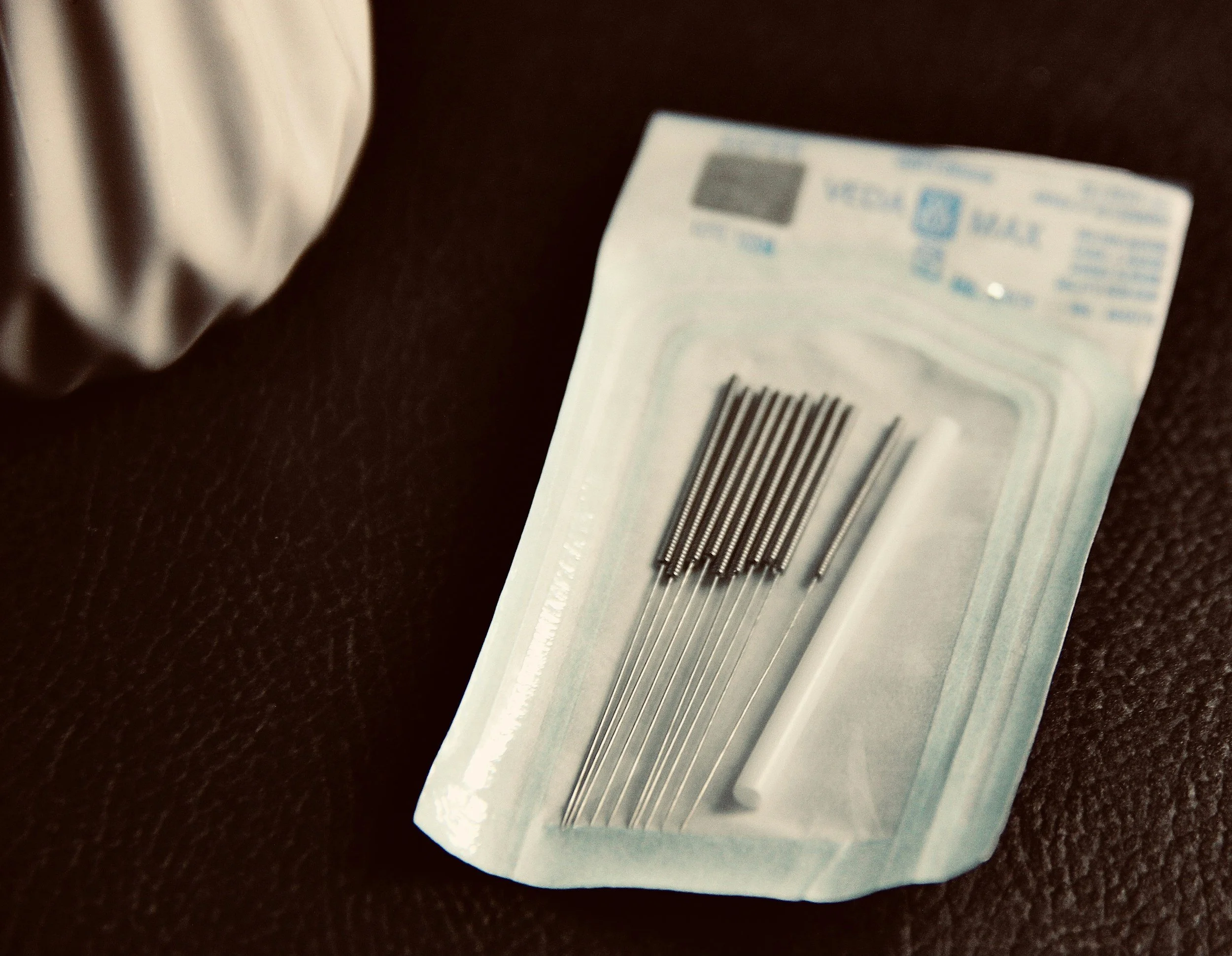
In a pretty straightforward way, ear acupuncture and acupressure seems to help lower pain levels overall, as demonstrated in several RCTs (Choi et al). Ears have very superficial nerve clusters which are sensitive to stimuli. If you don’t like needles, we can use beads to stimulate the same points for the same effects.
What is Wind in TCM?
How can we help with pain that’s always moving around? Chronic pain can feel like a game of whack-a-mole. As soon as one thing gets better, a new thing pops up. Conventional medicine leaves us without reliable treatment for things that don’t fit a neat diagnosis.
This type of pain sometimes points to a category of patterns in TCM: Wind. Let’s get into it.
Wind is a type of pathology, considered the “origin of the one hundred diseases” according to one of the classics of TCM, the Huang Di Nei Jing (Unschuld translation). Externally contracted diseases are often described as wind; rashes and pimples can sometimes be due to wind; tremor may be due to wind. Pain can be many combinations of different pathologies, sometimes wind-damp, wind-damp-heat, wind-cold-damp. Wind is a pretty common ingredient for illness and pain.
Sometimes Wind refers to an external force: the cold breeze on your neck that you were warned about as a kid, the air conditioner blasting freezing air to offer some relief from the heat. External Wind describes diseases like the flu. The other kind of Wind has an internal origin, coming up when the body is lacking in grounding materials, like blood and other fluids. Stroke symptoms and tremor are related to this kind of wind.
Preventing & Treating Wind in the Channels
The Lung is the most sensitive organ to Wind, and works together with the Spleen and Kidneys to help process fluids. Deficiencies in any of them contribute to pain. The Spleen is in charge of processing food and helping make blood, separating fluids to send up to the Lung or down to the Kidneys and Urinary Bladder. When the Spleen is struggling, you may find yourself feeling heavy, tired, and bloated. The Kidneys store our “essence” according to TCM, a relatively non-renewable resource which depletes with age, trauma, and prolonged hunger. Diminishing Kidney Qi leads to chronic low back and knee pain.
One good place to start caring for your Wind-related pain (or any other for that matter) is diet. I’m not talking about cutting things out, fasting, or any other big change. I’m referring to the small things. Are you sitting down while you eat? Is the food warm? Are you eating enough fruit and drinking enough water? Are you eating at regular times?
Between diet culture and food insecurity, many Americans these days are going hungry.
For those with the means, eating enough is the best place to start treating pain. If you have the means to buy food, sharing food with those who are not as fortunate can have ripple effects that alleviate suffering, too.
If food is not something you have much access to, try to focus on eating warm food when possible. Rice is relatively cheap and an excellent base for any meal. So are potatoes. Grounding and nourishing foods give your body the supplies necessary to prevent and cope with wind.
Acupuncture is another great tool in our toolbox to help with Wind! There are lots of helpful points that are traditionally prescribed for Wind-Damp obstruction, and the auricular (ear) therapies I described earlier on.
Another strategy for addressing wind related pain is movement. Gentle movement like Qi Gong can help keep your channels moving and prepare you to handle the elements.
Lastly, as we head into fall and winter, stay warm! Wear a scarf in places you may feel a draft (this includes inside buildings with chilly air conditioning), wear thicker or layered pants when the weather really takes a turn for the cold, and eat foods like ginger and cinnamon that keep you warm inside and out.
If you have pain in a new spot every week, remember:
Stay warm. Eat yummy and warming food. Schedule some acupuncture.

Sources:
Chen H, Shi H, Gao S, et al. Durable Effects of Acupuncture for Knee Osteoarthritis: A Systematic Review and Meta-analysis. Curr Pain Headache Rep. 2024;28(7):709-722. doi:10.1007/s11916-024-01242-6
Choi SY, Kim YJ, Kim B. [Effect of Auriculotherapy on Musculoskeletal Pain: A Systematic Review and Meta-Analysis]. J Korean Acad Nurs. 2022;52(1):4-23. doi:10.4040/jkan.21121
Unschuld PU. Huang Di Nei Jing Su Wen. University of California Press; 2003.
Yang J, Bauer BA, Wu Q, et al. Impact of herbs and dietary supplements in patients with fibromyalgia: A protocol for a systematic review and meta-analysis of randomized controlled trials. Medicine (Baltimore). 2020;99(21):e20257. doi:10.1097/MD.0000000000020257
At Stockheart Whole Health, we believe your symptoms are clues, not noise — and that living well with a chronic condition means building a life that fits the body you have, not the one you're told you should have. Your home for heart-centered, whole-person healing.