
The Great Minnesota Get-Together, When Your Body Sets the Terms
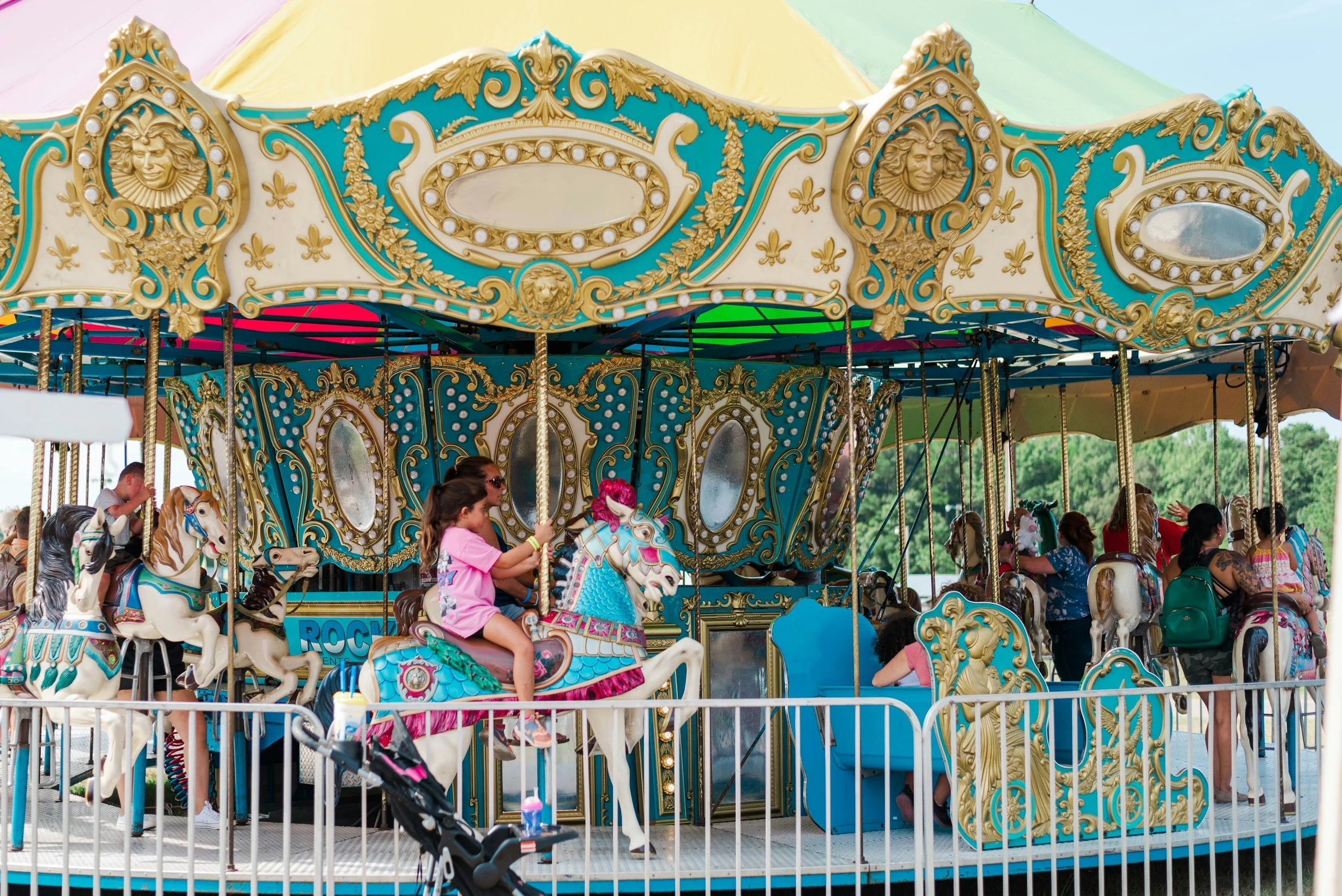
For a lot of us, the State Fair is woven into a Minnesota life — the smell of the barns, the first bite of something on a stick, the way the whole place hums with people who all decided the same twelve days were worth it. Then chronic illness shows up, quietly or all at once, and the Fair stops being a day of joy and becomes a math problem. How far is the walk from the gate. How many hours until the crash. Where can I sit. What does tomorrow cost if I do this today.
You may feel like the Fair is out of reach given your current circumstances. But we want you to rethink that. Planning around your limits means you don’t have to give up on the Fair. The person who maps the rest stops, leaves before they're "done," and skips the thing everyone else is doing isn't missing out — they're the one who still gets to go next year. Pacing is a skill.
Your symptoms are clues, not noise
At Stockheart, this is the ground we stand on. When your body says “not this, not now”, that's information, not malfunction. The exhaustion after a big day is your system showing you where its edges are. The Fair, of all places, will find those edges fast — the walking, the heat, the noise, the crowds, the sensory flood of 300+ acres and 2 million people across twelve days.
So don't grit your way through someone else's idea of a "normal" Fair day. Build the one that fits the body you have. A shorter, smarter, well-provisioned visit beats a heroic one you spend the next week recovering from — and it's a lot more fun while you're there.
Getting there without burning the day's energy in the parking lot
Transportation is where a lot of people spend spoons they didn't mean to. Sort this out before you go and you walk in with reserves intact.
Plan the route first. Start at the Fair's Get Here page, which lays out every option — Park & Ride, Express Bus, transit, on-site parking, rideshare. Bookmark it; details shift year to year and the page carries the current-year specifics.
Park & Ride is usually the smart move. Free Park & Ride serves roughly 30 Twin Cities lots — park free, ride free, get dropped near a gate. Accessible buses serve every route. One catch worth knowing: if you're bringing a personal electric scooter, use the Oscar Johnson Arena lot, which is set up to transport mobility devices. On-site accessible parking exists (designated lots, first-come, ~$20/day) but it's very limited and fills early (like 8am early) — don't build your day around getting a spot.
Express Bus if you're farther out. State Fair Express buses run from suburban hubs for a small round-trip fare, drop at the Transit Hub at Gate #16, and every bus is wheelchair accessible. Metro Transit's Green Line, the A Line, and Routes 3 and 61 also stop near gates — all wheelchair accessible, all with bike racks.Rideshare, know the zones. Lyft and Uber use two designated pickup points; during the Fair, taxi and rideshare pickup routes through the Loop Gate (#9) at 1741 Como Ave. Expect surge pricing and a wait at peak times — this is the fallback, not the plan.
Download the app before you leave home
The official Minnesota State Fair app is the single most useful accessibility tool the Fair offers, and it's free. Get it before you go and set it up on your couch, not standing in a crowd:
Interactive map with your location — it uses location services to show where you are and where you're trying to get, which cuts out the wandering that quietly drains you.
Food Finder — search all ~300 vendors. Type "gluten" or "dairy" and filter to what you can actually eat (more on this below).
Star your route — favorite the handful of things that matter to you and they'll show up on your personal map. Build the route around your must-sees and your rest stops.
Daily schedule — know show times so you're sitting for the things you want to sit for, not standing through them by accident.
If you're a returning user, re-download it — the app updates each year and the older version loses features.
Prefer to plan on a bigger screen first? The Fair's Maps page and location address list let you scout the layout and pin the exact buildings before you leave the house.

Lower-sensory spaces, and where to find them
The Fair is loud, bright, and relentless. If sensory overload is part of your picture — and for a lot of us with chronic illness it is, whether from ME/CFS, migraine, dysautonomia, long COVID, or plain depletion — you need to know where the quiet is before you're standing in the middle of the Midway wishing you did.
Fraser Sensory Building — 1353 Cosgrove St. This is your reset button, and the one to memorize before anything else. A dedicated take-a-break space run by trained staff, open daily 9 a.m.–9 p.m. (8 p.m. Labor Day). The front half has interactive sensory tools; the back half is darker and quieter, with swings, weighted items, and noise-canceling headphones. Find it on the west side of Cosgrove Street, between Dan Patch and Wright avenues, right next to the Home Improvement Building and adjacent to the wheelchair rentals. Star it in the app the moment you download it — you want to be able to find it when you're already past your limit, not searching a map through the fog.
Sensory-Friendly Morning. On one designated Monday morning (historically the second Monday of the run — confirm the 2026 date in the app or the Accessibility Guide), the Mighty Midway and Kidway run with lights, sounds, and non-safety announcements minimized. If rides are the reason you're coming and the sensory load is the barrier, this is the window.
Momentum Refresh — east side of Cosgrove Street, north of Lee Avenue. The universally designed mobile restroom includes a sensory-friendly quiet space, along with the changing facilities and ceiling hoist. Open daily 9 a.m.–9 p.m. (8 p.m. Labor Day). Note that it sits almost directly across Cosgrove from Fraser, so that stretch of Cosgrove Street is effectively your accessibility corridor — and can be worth orienting your whole day around.
Naturally calmer corners. You don't need a designated room to find relief:
The livestock barns — absorbing, shaded, and comparatively quiet.
Lee & Rose Warner Coliseum — cool, open, full of seats, with animal shows to sit through.
Fine Arts Center, 1442 Cosgrove St. — indoors, quiet, and now with audio descriptions you can pull up by scanning QR codes. (It's a short walk up the same street as Fraser.)
The Blue Barn, 1839 Dan Patch Ave. — sit-down dining with accessible seating and a lower-stimulation break with real food.
LuLu's Public House, 1843 West Dan Patch Ave. (West End Market) — the lesser-known upstairs has high-tops, misters on hot days, and usually no line at the bar. A genuine hidden quiet spot.
Ye Old Mill — dark, cool, slow, and low-stimulation (small ride fee). Sometimes the best reset is four minutes on a boat in the dark.
Creative Activities Building, at Snelling and Midway by the front gates is a marvelous place to look at hand crafts, needlework, and baked and canned goods. (It’s also generally quieter and less stimulating than other Fair spaces.)
Full current details live in the Fair's Accessibility Guide, which is worth reading start to finish before you go.
Mobility, rest, and restrooms
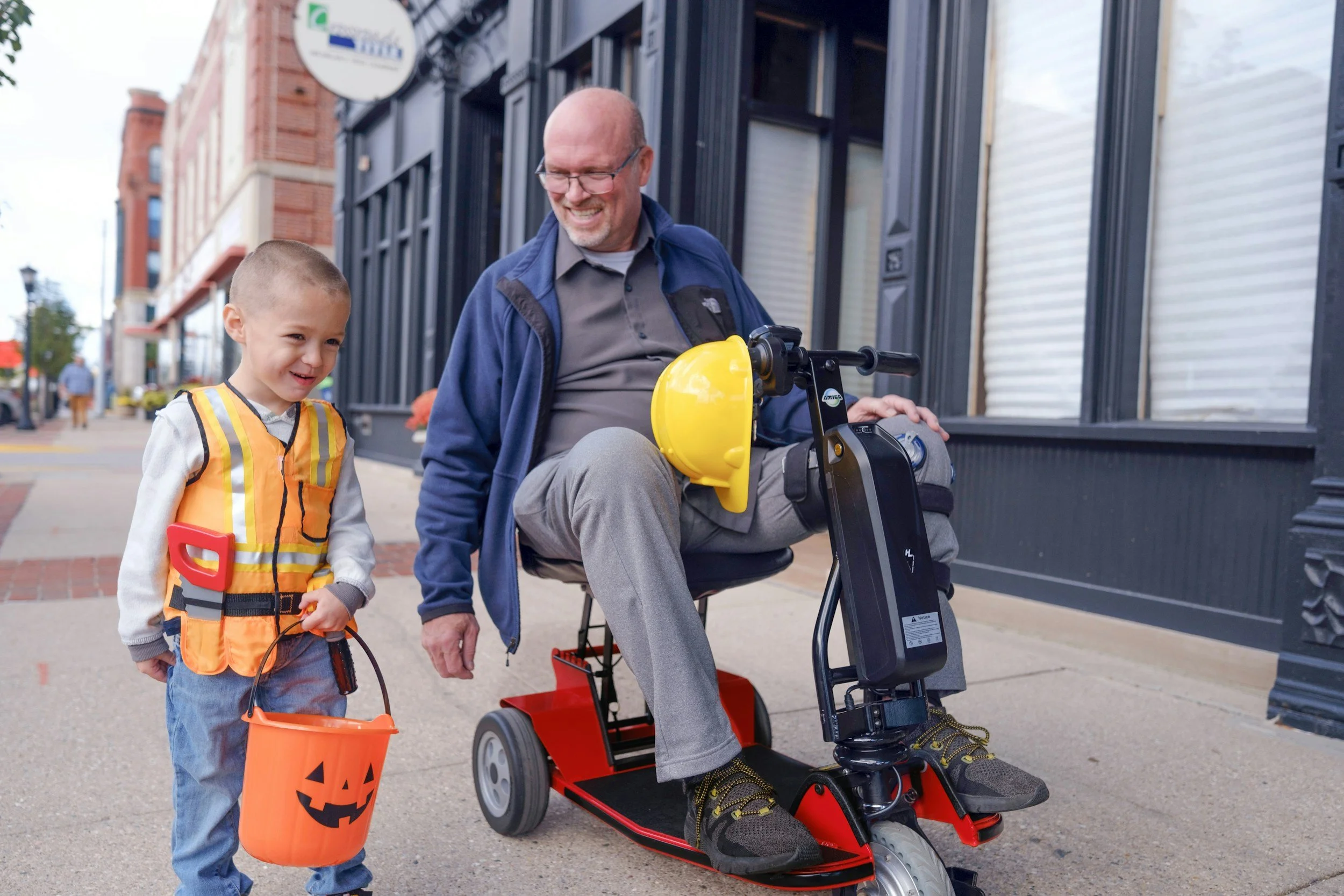
Rent the scooter.HomeTown Mobility rents electric scooters, wheelchairs, wagons, and strollers from five locations just inside the main gates, 7 a.m.–11 p.m. daily. Reserve ahead — on-site rentals are first-come with no guarantee, and they run out on busy days. If a scooter is the difference between seeing the whole Fair and seeing a quarter of it before you're done, rent the scooter. That's not a compromise; it's the plan working.
Know your charging spots.HomeTown Mobility doesn't charge personal equipment. If you're on your own scooter, the charging stations are at Care & Assistance (south of West End Market) and near the Grandstand. Plan your battery like you plan your energy.
Accessible restrooms exist and they're good. Beyond standard accessible stalls, the Fair has adult-size adjustable changing tables and the Momentum Refresh restroom with a ceiling hoist. Map these in advance so you're never gambling on distance.
The packing list
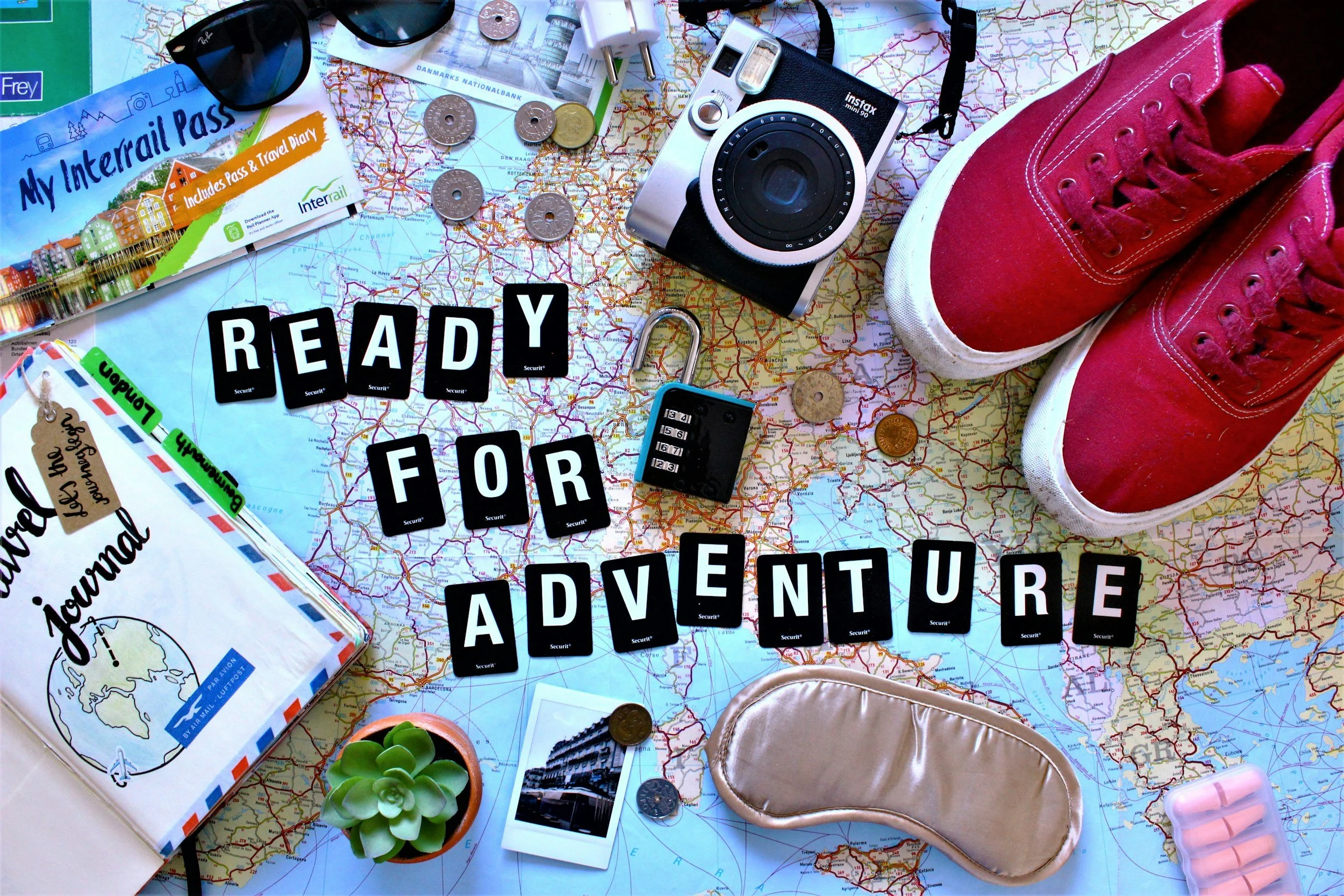
Pack the night before, when you have the executive function to do it well. A good bag turns "I have to leave" into "I can keep going a while longer."
Energy and regulation
Refillable water bottle — hydration is non-negotiable, especially with dysautonomia or POTS. Fill it at drinking fountains through the day.
Electrolytes (tablets or powder) if your body needs the sodium to stay upright.
Safe snacks you know you tolerate — enough to skip a risky vendor and not crash. We suggest some form of protein (protein bars, shakes, nuts). And make sure you eat one of these protein rich options before you hit those funnel cakes or Sweet Martha cookies. 🙂
Any mid-day or as-needed medications, in the doses you'll actually need, plus a small buffer in case the day runs long.
Sensory tools
Noise-canceling headphones or earplugs (loop-style filters work well without fully cutting you off).
Sunglasses and a hat with a brim — light sensitivity and late-August sun are a rough combination.
A fidget or grounding object if that's part of how you self-regulate.
Body support
The most cushioned, broken-in shoes you own. Most people walk 5–8 miles here; your feet and your fatigue will feel every choice.
A lightweight layer — mornings and evenings cool off, and temperature swings are their own drain. Plus, a scarf or wrap can double as a sun shade, a bag, a pillow, a blanket, etc.
A portable seat or cane-stool if standing in lines is a problem, so a wait never becomes a crisis.
Cooling towel or handheld fan for heat-sensitive bodies.
Logistics
Phone charged, plus a battery pack — you'll be leaning on the app all day.
Cash and card — most vendors take both, some smaller booths are cash only.
Disability parking certificate if you have one, for the accessible lots and the dedicated Park & Ride.
A written or phone note of where your rest stops and exits are, so a foggy brain doesn't have to improvise.

Eating at the Fair when your body has opinions
The Fair is a food event — that's half the point of going. And there's a specific frustration in walking past everything on a stick when your body can't have gluten, or dairy, or the mystery fryer oil that's touched forty different things, or when one wrong choice costs you three days.
So don't wing it. Eating well here with restrictions is a solvable logistics problem, and the Fair has more real options than it used to.
Use the Food Finder before you're hungry. The State Fair Finder (in the app and on the website) searches all ~300 vendors by keyword. Search "gluten," "vegan," "dairy," and build a short list of specific stands before you go, so decisions are made when your blood sugar is stable and your judgment is sharp.
Ask about the fryer — every time. This is the one that matters for celiac and serious allergies: "gluten-friendly" is not "safe from cross-contamination." Shared fryers are everywhere. Asking is your job, not an imposition, and a decent vendor answers without blinking. Ten seconds of asking beats three days of consequences.
The options are real and specific. There are dedicated gluten-free and vegan vendors — Auntie M's Gluten Free (GF corn dogs, cheese curds, funnel cakes), The Herbivorous Butcher, dairy-free and gluten-free soft serve, and a growing roster of allergy-conscious stands. Twin Cities R.O.C.K. (Raising Our Celiac Kids) publishes a gluten-free food list you can pick up at any information booth or in the Your Health, Your Fair area of the Education Building, which is built for exactly this kind of calculus.
Bring backup and eat before you go. If your restrictions are strict enough that even careful ordering is a gamble, pack safe food. You're allowed to bring your own snacks and non-alcoholic drinks in. Eat something solid before you arrive so you're never making a desperate food decision on an empty tank.
The corn dog isn't the point. The being-there is — the company, the animals, the art, the late-summer light. Solve the food so it stops running the day, and the rest of the Fair opens back up.
The whole point
You don’t have to miss out on experiencing the Fair — the butter sculptures, the barns, the golden hour on the Midway — and to want all of it in a body with limits. Those aren't in conflict.
Accessibility isn't a consolation prize. It's the door back into your own life. Renting the scooter, taking the accessible bus, mapping the quiet spaces, packing the bag, asking about the fryer, leaving when you're done — none of that is settling. It's the competent, deliberate work of keeping the things you love.
So go. Go early, go provisioned, go on your terms, and let your body set the pace. A Fair day built around your real needs isn't the lesser version.
It's the one you'll actually get to keep.
At Stockheart Whole Health, we believe your symptoms are clues, not noise — and that living well with a chronic condition means building a life that fits the body you have, not the one you're told you should have. Your home for heart-centered, whole-person healing.