
When the Air Feels Heavy: Caring for Your Body During Heat and Smoke
By Dr. Michele Renee, DC, MAc

If you've stepped outside lately and thought, "Is this the apocalypse?" you're not alone.
Between the oppressive heat, the orange haze, and the unmistakable smell of smoke, it can feel a little surreal outside right now.
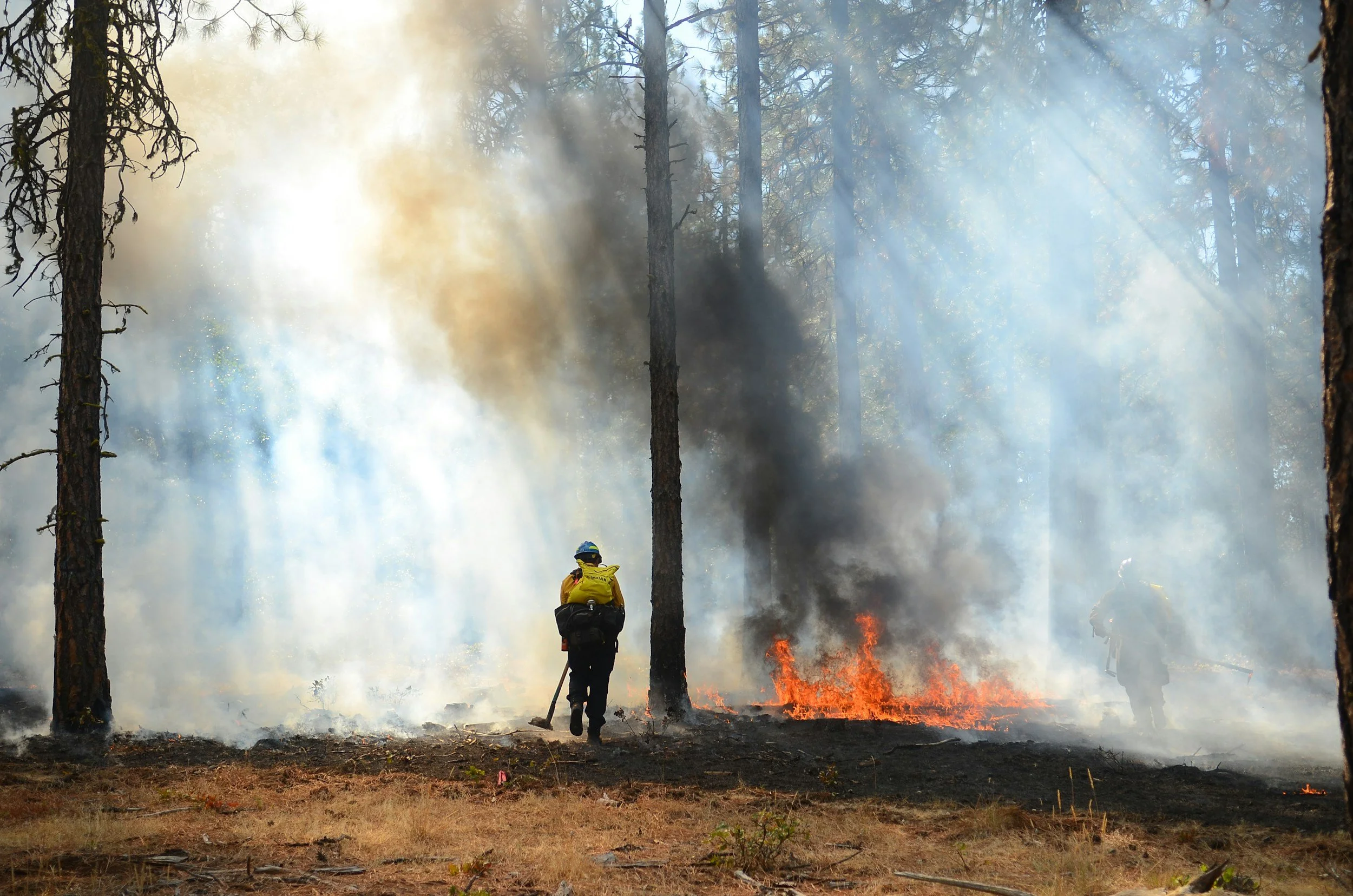
The reality is sobering. Hundreds of wildfires are burning across Canada, forcing families from their homes, putting firefighters in harm's way, and disrupting ecosystems that countless animals call home. Our hearts are with everyone working tirelessly to protect their communities, with those who have had to leave behind homes and livelihoods, and with the wildlife trying to survive in rapidly changing landscapes.
Here in Minneapolis, we're experiencing one small part of that story as wildfire smoke drifts south. While our experience is very different from those closest to the fires, the air quality is affecting many of us physically. If you've noticed yourself feeling more tired, headachy, irritable, or short of breath than usual, your body is responding to something very real.
At Stockheart, we often say that your body is not a problem to fix. It's constantly adapting to the world around you. Heat and wildfire smoke are significant environmental stressors, and the symptoms you experience are often signs that your body is working hard to protect you.
Rather than pushing through, this is an opportunity to support your body with a little extra care.
Why Heat and Smoke Are So Challenging
Heat and smoke each place unique demands on the body.
When temperatures rise, your cardiovascular system works harder to keep you cool. You lose more fluids through sweat, your heart pumps faster, and your body spends more energy maintaining a safe internal temperature.
Wildfire smoke brings a different challenge. Tiny particles—called PM2.5 because they're smaller than 2.5 micrometers—can travel deep into the lungs. From there, they can trigger inflammation throughout the body, worsen respiratory conditions, and even affect the cardiovascular and nervous systems.
Together, heat and smoke can create a perfect storm of physiological stress.
Common symptoms include:
Headaches or migraines
Fatigue
Brain fog or difficulty concentrating
Burning or watery eyes
Scratchy throat
Coughing
Chest tightness
Shortness of breath
Dizziness
Increased heart rate
Irritability
Anxiety or feeling emotionally "off"
Difficulty sleeping
For people living with asthma, allergies, Long COVID, chronic fatigue, dysautonomia, autoimmune conditions, heart disease, or a sensitive nervous system, these symptoms may be more noticeable.
None of this means your body is weak.
It means your body is adapting.
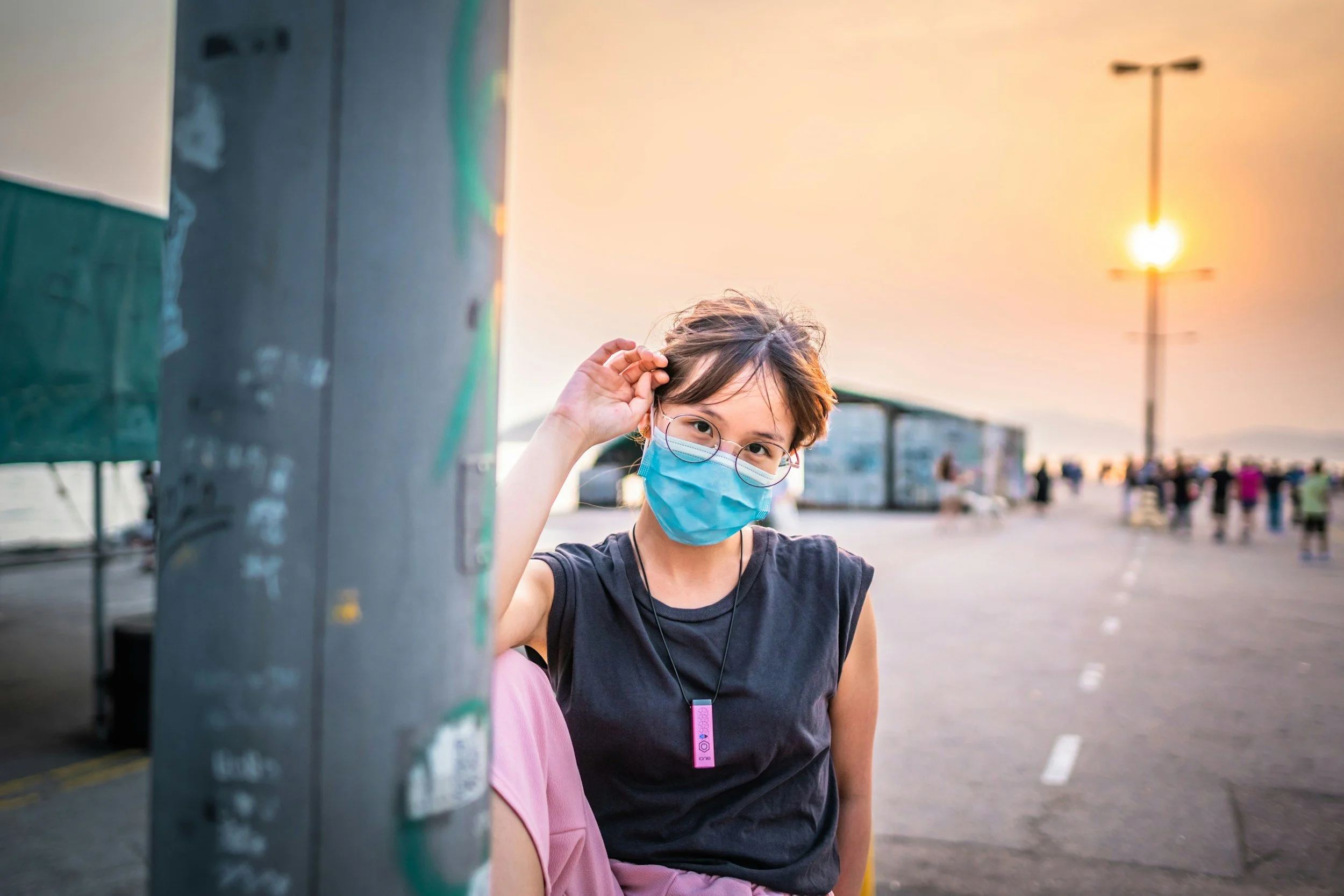
How Much Time Outside Is Safe?
The answer depends on both the air quality and your own health.
One person may tolerate an afternoon outdoors without issue, while another begins feeling unwell after a ten-minute walk. Both experiences are valid.
A helpful tool is the Air Quality Index (AQI), which combines information about airborne pollutants into an easy-to-understand scale.
As a general guide:
AQI 0–50 (Good): Outdoor activities are generally safe for everyone.
AQI 51–100 (Moderate): Most people can enjoy being outside, though sensitive individuals may notice symptoms.
AQI 101–150 (Unhealthy for Sensitive Groups): Consider limiting prolonged outdoor activity if you have chronic health conditions, are pregnant, are over 65, or are caring for young children.
AQI above 150: It's wise for most people to limit time outdoors, especially vigorous activity.
Regardless of the AQI, try scheduling walks, gardening, or exercise in the early morning or later evening when temperatures are cooler.
Most importantly, listen to your body. If you're developing symptoms, you've received useful information. Rest isn't giving up—it's responding wisely.
If You Need to Be Outside
Sometimes staying indoors isn't an option.
If you need to be outside:
Check the AQI before heading out.
Keep trips as brief as possible when smoke levels are high.
Avoid strenuous exercise outdoors.
Stay well hydrated and consider replacing electrolytes if you're sweating heavily.
Wear lightweight, breathable clothing that protects your skin from excessive sun exposure.
Shower and change clothes after returning inside to remove smoke particles from your skin and hair.
Small changes in exposure can make a meaningful difference.
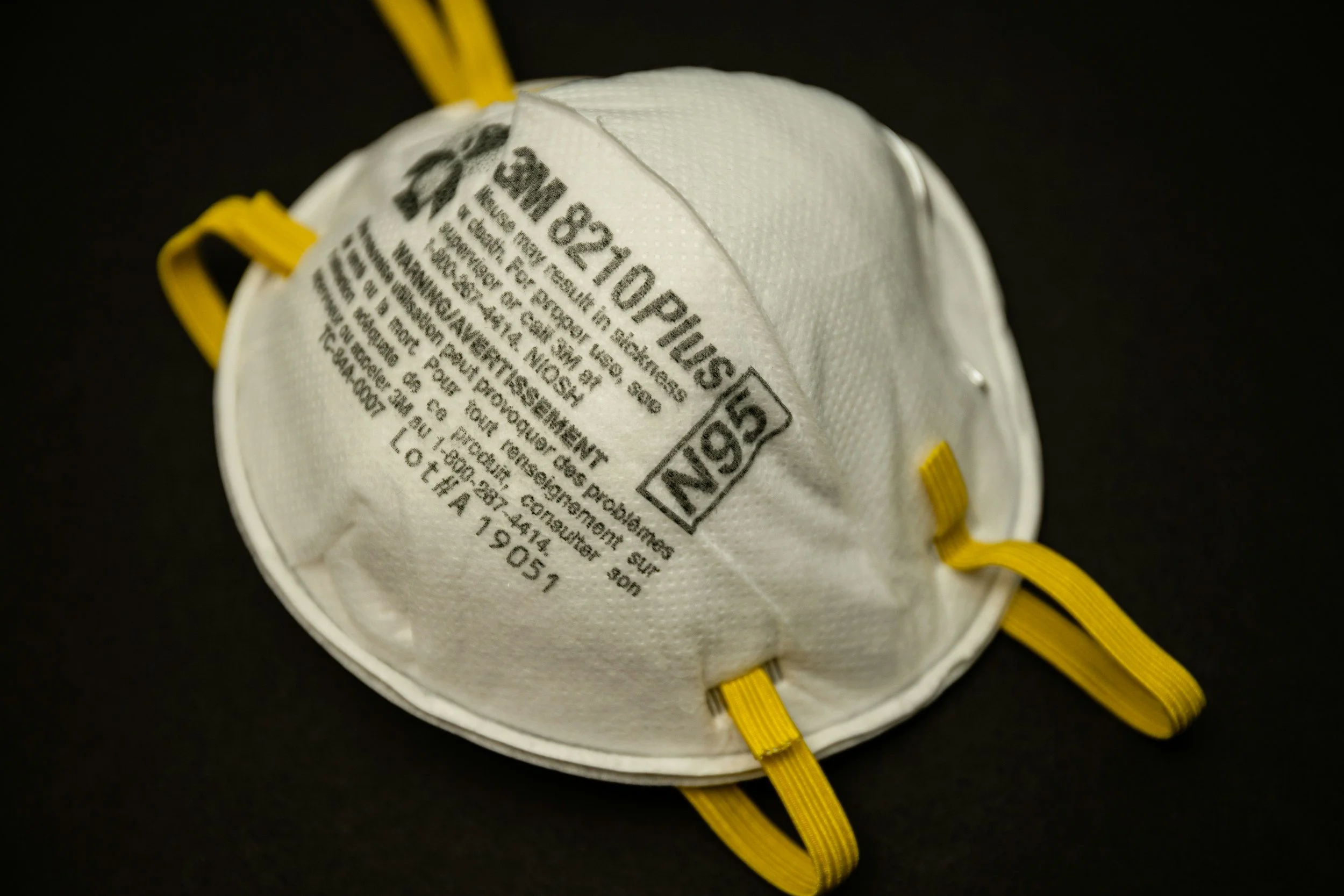
Choosing the Right Mask
Not all masks filter wildfire smoke effectively.
If you need protection from smoke, choose a well-fitting:
N95
KN95
KF94
A good seal around your nose and cheeks is just as important as the type of mask itself. If air is leaking around the edges, smoke particles are too.
Cloth masks and surgical masks provide limited protection against the tiny particles found in wildfire smoke.
Creating a Healthier Indoor Environment
Think of your home as a place where your body can recover.
A few simple strategies include:
Keep windows and doors closed when outdoor air quality is poor.
Run a HEPA air purifier if you have one.
Replace HVAC filters regularly and use high-efficiency filters when appropriate.
Avoid burning candles or incense while smoke levels are elevated.
Reduce additional indoor pollutants whenever possible.
Even creating one room with cleaner air can provide your lungs—and your nervous system—a welcome break.
Don't Forget Your Pets
Our pets are breathing the same air we are.
Dogs, cats, birds, and other animals can experience smoke-related symptoms including:
Coughing
Excessive panting
Red or watery eyes
Fatigue
Difficulty breathing
Less interest in exercise
Keep walks shorter during smoky conditions, avoid the hottest part of the day, provide plenty of fresh water, and watch for changes in behavior. If your pet seems to be struggling to breathe, contact your veterinarian promptly.

Supporting Your Body
You don't need a complicated wellness plan this week.
Your body is already working hard.
Instead, focus on the basics:
Drink water consistently throughout the day.
Eat enough nourishing food, especially fruits, vegetables, and protein.
Replace electrolytes if you've been sweating heavily.
Prioritize sleep whenever possible.
Take breaks from the heat.
Move your body gently instead of pushing through exhaustion.
Give yourself permission to slow down.
Sometimes the most healing thing we can do is reduce the number of demands we're placing on ourselves.
A Traditional Chinese Medicine Perspective
In Traditional Chinese Medicine, summer is associated with the Heart and the Fire element. While warmth supports growth, connection, and joyful movement, excessive heat can agitate both the body and the mind.
Heat may contribute to symptoms like restlessness, irritability, difficulty sleeping, anxiety, palpitations, and inflammation—especially when we're already depleted.
This is one reason TCM encourages us to live in rhythm with the seasons. During periods of extreme heat, gentle movement, adequate hydration, nourishing foods, restorative sleep, and moments of quiet become powerful forms of medicine.
Cooling doesn't always mean reaching for ice.
Often it means creating enough spaciousness for the body to find balance again.
We Heal in Relationship
Moments like these remind us that our health isn't something we create in isolation.
Our bodies are shaped by the air we breathe, the weather we experience, the communities we belong to, and the natural world around us. When the environment is under stress, our bodies often feel it too.
Caring for ourselves during weeks like this isn't just about avoiding symptoms. It's about recognizing that we are part of a much larger living system and responding with kindness—to ourselves, to our neighbors, and to the people risking their lives to protect others.
Healing asks us to pay attention.
To rest when our body asks us to.
To care for one another.
And to remember that even small acts of tending matter.
If the recent heat and smoky skies have left you feeling unlike yourself, know that you're not alone. Your body is adapting to challenging conditions.
Offer it a little extra patience.
It may be doing more work than you realize.