Fibromyalgia and Fall: Preparing for the Change of Season

Early fall has a particular rhythm in Minnesota.
The air changes first. Mornings become cooler. The light begins to shift. School starts again. Work schedules tighten up. Summer routines slowly give way to something more structured, and before long we are thinking about layers, indoor exercise, shorter days, and the long winter ahead.
For many people living with fibromyalgia, this time of year brings another layer of awareness.
Symptoms can change with the season.
Some people notice more stiffness as temperatures drop. Others notice changes in sleep, energy, concentration, or recovery. Some become more sensitive to cold. Others feel the effects of changing routines more than the weather itself.
There is no single seasonal pattern that applies to everyone with fibromyalgia. The condition already varies widely from person to person, so fall preparation starts with understanding your own pattern and paying attention to the changes your body tends to make as summer ends.
Fibromyalgia is a complex chronic pain condition that commonly includes widespread pain, fatigue, poor or unrefreshing sleep, cognitive difficulty, and increased sensitivity to physical or sensory input. Research continues to point toward altered pain processing in the nervous system as one part of the picture.
That helps explain why the condition can feel so much larger than sore muscles.
Temperature, activity, sleep, stress, touch, sound, and fatigue can all feel amplified. A body already working hard to regulate these inputs may have a harder time when several seasonal changes arrive together.
Fall gives us a chance to prepare before those changes accumulate.

Start With Sleep, Movement, and Daily Rhythm
One of the first seasonal changes happens above us.
We lose daylight.
Our circadian rhythm responds to light, so shorter days can influence sleep patterns, alertness, energy, and mood. Sleep deserves particular attention in fibromyalgia because poor and unrefreshing sleep often travel alongside increased pain and fatigue.
This is a good time of year to tighten up the basics.
Keep your waking time as consistent as your life allows. Get outside into natural morning light when possible. Begin lowering stimulation in the evening. Create a bedroom environment that supports sleep, and pay attention when sleep changes in ways that feel different from your usual pattern.
Persistent snoring, restless legs, frequent waking, daytime sleepiness, or a major change in sleep quality deserve a closer look. Fibromyalgia can exist alongside sleep apnea, insomnia, restless leg syndrome, and other sleep disorders that deserve their own evaluation.
Movement changes in the fall too.
Summer tends to build more activity into daily life. We walk more. We garden. We bike. We spend time at festivals, parks, lakes, and outdoor gatherings. We move without always thinking of it as exercise.
As the days cool and become shorter, that background movement can disappear surprisingly fast.
For someone with fibromyalgia, losing regular movement can gradually reduce conditioning and make everyday activity feel harder.
The answer is consistency.
Walking, qigong, tai chi, mobility work, gentle resistance training, aquatic exercise, cycling, and short movement breaks can all support conditioning without overwhelming the system.
The most useful measure is often recovery.
A workout that leaves you unable to function for several days was probably more than your system could recover from at that point. A smaller amount of activity done regularly tends to build more capacity over time.
September is an excellent month to establish an indoor routine before snow and ice make outdoor movement more difficult.

Pay Attention to Cold, Stress, and the Good-Day Cycle
Many people with fibromyalgia report greater sensitivity to colder temperatures.
Some notice tighter muscles. Some feel more joint or soft tissue discomfort. Some struggle with cold hands and feet. Others find that moving from a warm environment into cold air increases discomfort.
And of course, this is Minnesota, where a September morning can start in the 50s and the afternoon can decide it is still August and climb into the 80s or even 90s.
So yes, dress in layers.
Around here, that is less of a fashion choice and more of a seasonal survival skill.
For someone with fibromyalgia, those temperature swings can be especially noticeable. A light jacket or sweater in the morning, something breathable underneath, and the ability to peel layers off as the day warms up can help reduce the strain of moving back and forth between chilly mornings, warm afternoons, air-conditioned buildings, and cooler evenings.
The research does not show one universal weather response across everyone with fibromyalgia, but temperature sensitivity is common enough to take seriously.
Simple adjustments can help.
Keep your hands and feet warm. Give yourself time to warm up before exercise. Use a warm shower or bath before mobility work. Avoid staying chilled for long periods. And during those classic Minnesota shoulder-season days, plan for three seasons before lunch.
Traditional Chinese Medicine has always paid close attention to season, climate, circulation, digestion, sleep, and constitutional differences.
Autumn is traditionally viewed as a period of transition and consolidation. In practice, I use that idea in a very practical way.
How is your sleep changing?
Are you colder than usual?
Has your energy shifted?
Are your muscles getting tighter?
Has your digestion changed?
Are headaches becoming more frequent?
Are you recovering from exercise differently?
These changes can help guide acupuncture, herbal therapy, movement recommendations, and lifestyle support.
Fall can also bring more stress than people realize.
School starts again. Work projects ramp up. Activities return. Travel picks up. Holidays start appearing on the calendar.
For someone managing fibromyalgia, that increase in demand can show up physically before it feels overwhelming emotionally.
One pattern I see often is the good-day cycle.
You wake up with more energy, so you clean the house, run errands, exercise, catch up on work, help someone else, and try to make up for everything you could not do earlier in the week.
Two days later, your body is still recovering.
Building capacity takes a little more restraint.
Use good days to expand what you can do gradually. Leave some energy in reserve. Spread larger projects across several days. Build recovery into the plan instead of waiting until your body forces you to stop.
A useful question is:
Can I do this today and still function tomorrow?
That question often tells you more than whether you can push through something in the moment.
Use Fall Nutrition to Support Recovery
Seasonal eating naturally changes as the weather cools.
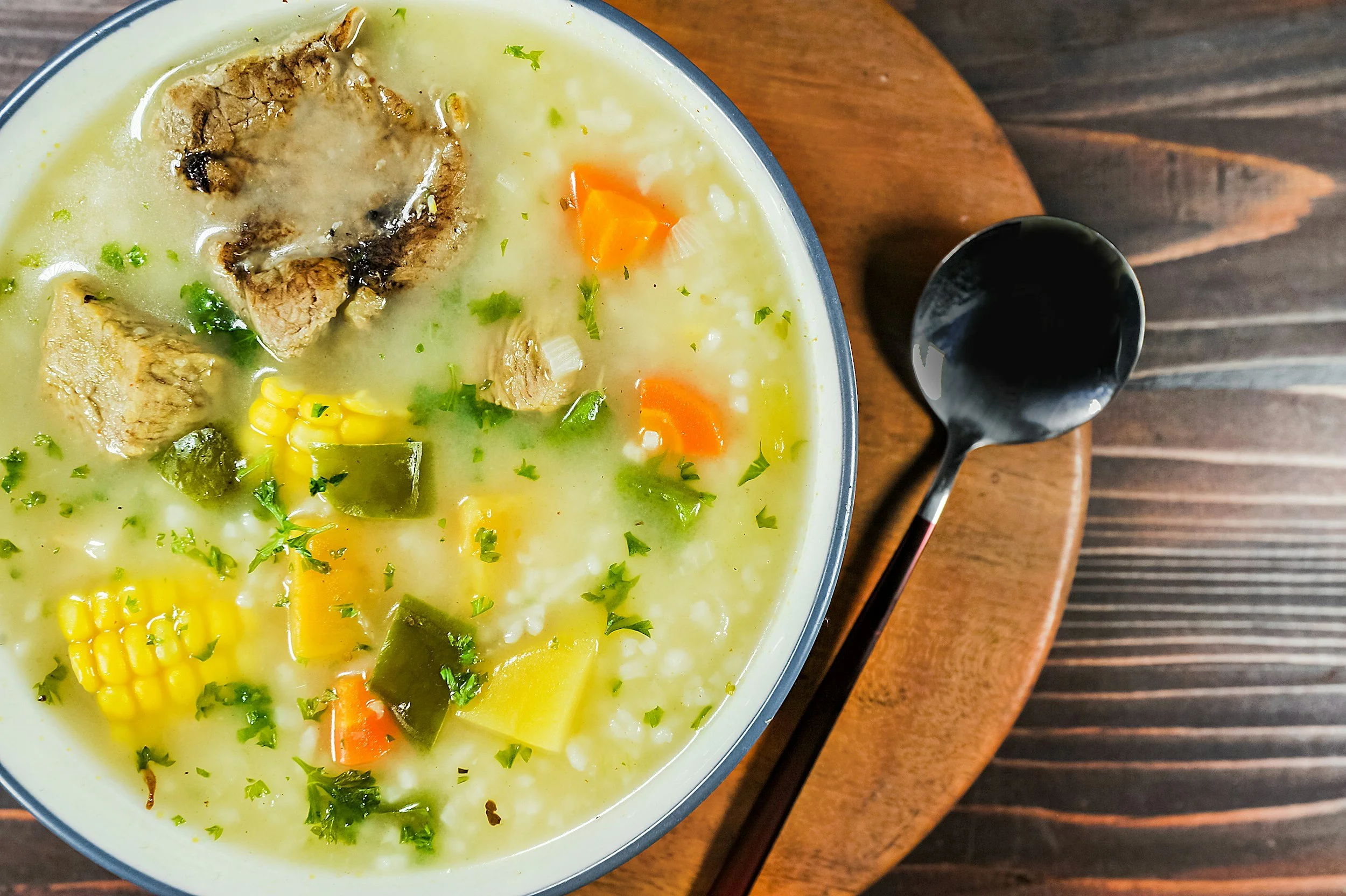
We tend to move away from cold, light summer meals and toward soups, stews, roasted vegetables, squash, root vegetables, grains, beans, lentils, and warmer foods.
That can work very well for people with fibromyalgia.
Instead of turning nutrition into another restrictive project, focus on building meals around foods that support stable energy and recovery.
Aim for plenty of vegetables, especially leafy greens and colorful produce. Include adequate protein. Use whole-food carbohydrates that provide steady energy. Add healthy fats. Stay hydrated even when the weather cools and thirst becomes less noticeable.
Soups and stews can make this easier because they combine vegetables, protein, fluids, herbs, and fiber in one meal.
Functional medicine can also help identify contributors that may overlap with fibromyalgia symptoms.
Thyroid dysfunction, iron deficiency, vitamin B12 deficiency, vitamin D deficiency, blood sugar dysregulation, menopause-related changes, medication effects, digestive disorders, and sleep disorders can all influence pain, fatigue, or concentration.
Testing should follow the history and clinical picture. A thoughtful workup usually gives us more useful information than ordering every available panel.
Prepare for a Flare Before It Arrives
One of the most useful skills in fibromyalgia care is learning your early warning signs. A flare may begin with lighter sleep, tighter muscles, slower exercise recovery, changes in digestion, more cold sensitivity, or worsening concentration before pain noticeably increases.
Recognizing that pattern gives you a chance to respond earlier. You may need to scale back exercise briefly, protect sleep, simplify your schedule, increase recovery time, or return to treatments and practices that have helped before.
Over time, this becomes part of managing fibromyalgia well. You learn how your body tends to signal increasing stress and can make adjustments before a few difficult days turn into a much longer flare.
Building More Capacity for the Season Ahead
Fibromyalgia care should eventually move beyond managing one flare after another.
We want to improve how well the body adapts.
Can sleep become more restorative?
Can you tolerate more movement?
Can you build strength?
Can you recover more quickly?
Can we identify nutritional, hormonal, metabolic, or sleep-related contributors?
Can we help the nervous system become less reactive?
Can you recognize changes earlier and respond before symptoms become overwhelming?
Those are the questions that guide whole-person care.
At Stockheart Whole Health, we use Traditional Chinese Medicine, acupuncture, functional medicine, gentle chiropractic care, nutrition, movement, and trauma-informed approaches because fibromyalgia often affects several areas of life at once.
The plan should reflect the person experiencing it.
September gives us a useful window.
The season is changing, but winter has not fully arrived. There is still time to establish routines, adjust treatment, build movement into the week, protect sleep, and pay closer attention to the signals your body gives you.
Minnesota weather will do what Minnesota weather does.
Our work is to help you meet the season with more capacity, more awareness, and a care plan that fits your life.
For many people with fibromyalgia, preparing early can make the transition into fall feel much more manageable.
Preparing for Fall With Fibromyalgia
Early fall is a good time to reassess your care plan, especially when you already know colder weather or shorter days tend to affect your symptoms.
At Stockheart Whole Health in Minneapolis, we look at pain, sleep, movement, nutrition, stress, health history, and your individual goals to understand what your body needs as the season changes.
Schedule a fibromyalgia or integrative health consultation with the Stockheart Docs, and start building your fall plan before winter arrives.
At Stockheart Whole Health, we believe your symptoms are clues, not noise — and that living well with a chronic condition means building a life that fits the body you have, not the one you're told you should have. Your home for heart-centered, whole-person healing.