TCM Support for the Sensitive Nervous System in Minneapolis
by Dr. Stephen Thompson, DC, DACM
When chronic pain, fibromyalgia, and anxiety overlap
Some people do not just feel stressed. They feel like their whole system has gotten more reactive. Sleep gets lighter, pain gets louder, brain fog settles in faster, and everyday stress hits harder than it used to. They may not have the language for that at first, but they know the feeling. Their body feels touchier, less forgiving, and more expensive to live in.
That kind of pattern shows up all the time in people dealing with chronic pain, fibromyalgia, anxiety, fatigue, headaches, poor recovery, and the strange combination of being tired and wired at the same time. Fibromyalgia itself commonly includes widespread pain and stiffness, fatigue, sleep problems, headaches, trouble with thinking and concentration, and anxiety or depression.
At Stockheart, I think it helps to speak plainly about what people are often feeling. A sensitive nervous system does not mean a weak person. It does not mean the symptoms are imaginary, and it does not mean everything is “just stress.” It means the body may be processing input differently, amplifying discomfort more easily, and having a harder time coming back down once it gets stirred up. Central sensitization, which is one of the major mechanisms discussed in chronic widespread pain and nociplastic pain conditions like fibromyalgia, is essentially an increased responsiveness of the nervous system to input.
That matters because once people understand that the nervous system is part of the picture, the whole conversation changes. They stop asking only, “Where does it hurt?” and start asking, “What is my system carrying, and why is it reacting this way now?”

What a “sensitive nervous system” can look like in real life
Most people are not walking around saying, “I think I have central sensitization.” They are saying something much more human.
They are saying their body hurts all over, and the pain does not make sense based on imaging alone. They are saying they wake up tired, even after a good night’s sleep. They are saying they are more anxious than they used to be, or more on edge, or more easily overwhelmed by noise, stress, conflict, poor sleep, or minor illness. They are saying their concentration slips, and their patience is thinner, and their body feels like it is doing too much with too little.
That pattern is not unusual in fibromyalgia and other chronic pain conditions. Central sensitization is widely discussed as a key mechanism in nociplastic pain, and it helps explain why pain intensity can become disconnected from obvious tissue damage, and why symptoms like poor sleep, fatigue, mood changes, and cognitive fog so often travel together.
And anxiety often travels with it too. Mental and physical health are tightly linked, and CDC notes that chronic conditions can increase the risk of mental health problems, while depression and anxiety can also travel with physical symptoms like aches, pains, headaches, stomach problems, and trouble concentrating. Chronic stress itself can worsen sleep, body pain, stomach symptoms, and chronic health problems.
That is one reason people can feel so confused by their own body. It is not only pain. It is pain plus poor sleep, plus more stress reactivity, plus fatigue, plus mood changes, plus brain fog, and all of it starts interacting.
A Chinese medicine way to understand the pattern
From a Chinese medicine point of view, this kind of presentation does not usually live under one neat label. Some people look more depleted. Some look more constrained. Some look inflamed and overactivated. Some look exhausted and wired at the same time. And many people carry a mix.
One person may present more like Liver qi stagnation, which can look look irritability, body tension, headaches, and emotional pressure living in the tissues. Another may look more like Heart and Spleen deficiency, where poor sleep, worry, fatigue, and digestive weakness are all part of the same picture. Another may show more Yin deficiency signs, where the system has been run too hard for too long, and now there is less reserve, less restoration, and more internal agitation.
That is part of why I think Chinese medicine still helps people make sense of themselves. It respects pattern. It respects terrain. And it allows us to say that two people can both have chronic pain and anxiety, and yet their bodies may be asking for very different kinds of support.
Why this overlap happens
A lot of people want one clean explanation. But bodies are not that tidy.
Pain affects sleep, and poor sleep lowers pain tolerance. Chronic stress changes breathing, muscle tone, digestion, inflammation, and recovery. Anxiety raises vigilance, and vigilance changes how the nervous system interprets input. Over time, the system can become more reactive, and once it does, small stressors can produce bigger symptoms. That is part of why people with chronic pain and central sensitization often report more intense pain, mood disturbance, and worse outcomes than people without that nervous system amplification.
Fibromyalgia is a clear example of this overlap. It is not only a pain condition. It is also a condition tied to sleep disruption, fatigue, mood symptoms, headaches, and cognitive symptoms, and central sensitization is considered a major part of the underlying mechanism.
So when people feel like everything is getting tangled together, they are often right. The symptoms are not random. They are interacting.

What science says helps
Let’s be honest: there is no one magic move here. People with sensitive nervous systems usually do better when care becomes layered, consistent, and whole-person rather than overly narrow.
Education matters, because understanding pain and nervous system sensitization can reduce fear and improve coping. The International Association for the Study of Pain (IASP) has highlighted evidence around pain neuroscience education in chronic musculoskeletal pain and central sensitization, and that education can improve pain-related understanding and some psychosocial outcomes when used appropriately.
Movement matters too, though the dose has to fit the person. Fibromyalgia and nociplastic pain generally respond better to steady, tolerable, progressive movement than to punishment or boom-and-bust exercise cycles. Mind-body practices and exercise are also part of the broader evidence-informed conversation around fibromyalgia care at the National Center for Complementary and Integrative Health (NCCIH) and related National Institute of Health (NIH) resources.
Sleep matters. Stress regulation matters. Mental health support matters. The CDC notes that chronic stress can worsen sleep, physical pain, stomach problems, and chronic conditions, (and physical and mental health in general) are deeply connected.
And the larger point is simple: the more reactive the system has become, the less useful it is to treat only one symptom in isolation.
What people often get wrong
A lot of people keep trying to out-tough a sensitive nervous system. They push harder, sleep less, drink more caffeine, ignore meals, force exercise that is too intense for their current capacity, and then get frustrated when the body pushes back.
That is usually the wrong fight.
A system that has become more reactive does not usually need more punishment. It usually needs steadier input. Better pacing. More sleep. Better blood sugar support. A little less inflammation. A little more predictability. A little more honesty about how much load the body is carrying.
Another mistake is assuming that if scans or labs do not fully explain the severity of pain, then the pain is somehow less real. That is not what central sensitization research suggests. One of the reasons nociplastic pain and fibromyalgia are so frustrating for people is that the body is hurting in a very real way, and the usual structural explanations often do not tell the whole story.
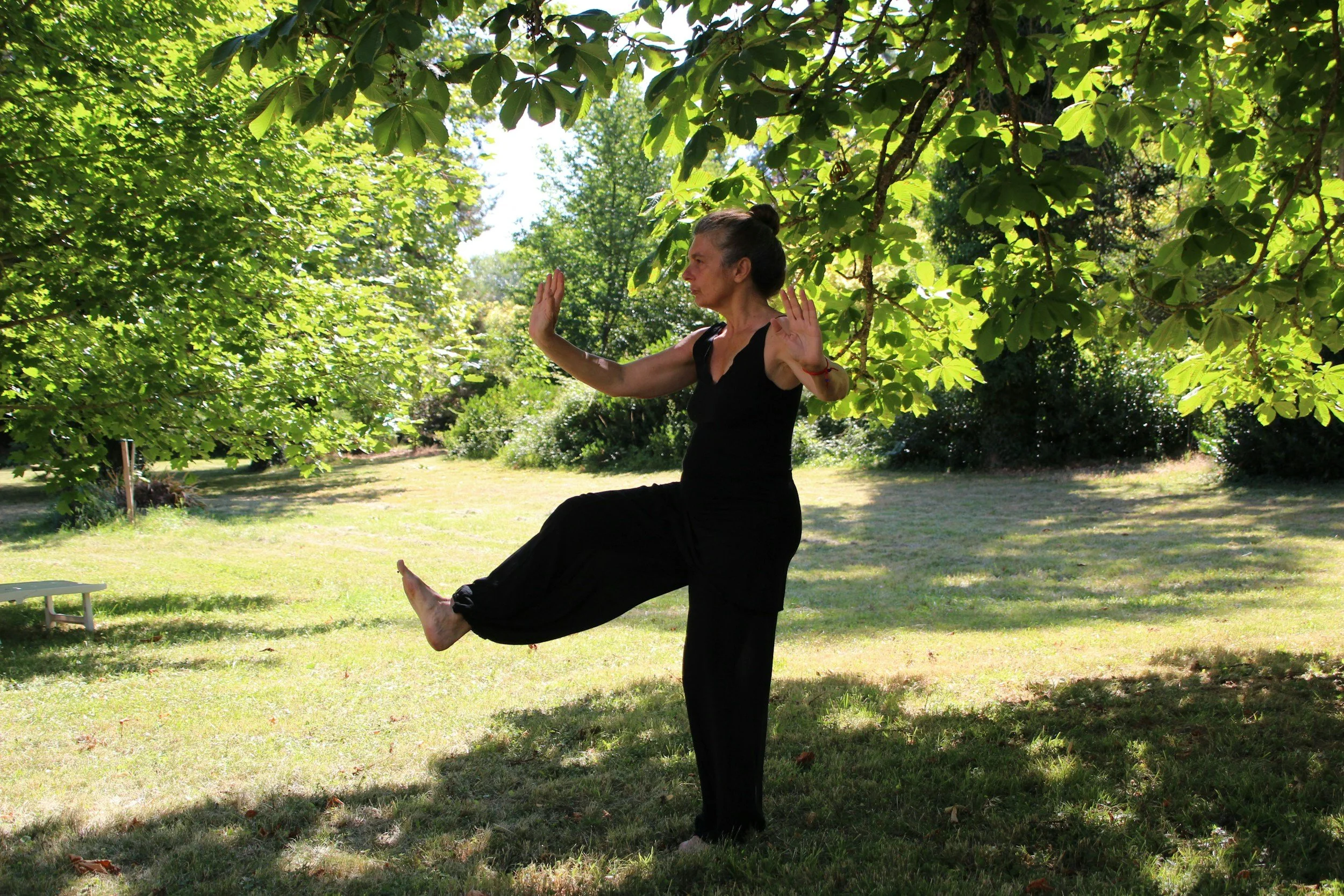
The whole-person side of caring for a sensitive nervous system
This is where the conversation gets more useful.
A sensitive nervous system is not just about nerves. It is about the whole environment the body is living in. It is about whether the person sleeps deeply enough to recover, eats consistently enough to stabilize the day, moves enough to keep the system adaptable, breathes in a way that helps the body downshift, and has any real structure around stress.
That may include:
improving sleep quality and consistency
reducing boom-and-bust exercise patterns
eating more steadily to support energy and blood sugar
addressing upper chest breathing and chronic muscle bracing
calming an overactivated stress response
building in more predictable recovery time
reducing inflammatory load where possible
treating pain as part of a system, not as a single isolated event
That does not mean every symptom is psychological, and it does not mean the answer is to “just relax.” It means the nervous system is part of the terrain, and when the terrain improves, symptoms often become easier to work with.
Everyday habits that help
People often want an advanced fix for a body that still needs the basics.
What helps most is often simple, though not always easy:
waking and sleeping at more consistent times
getting outside light earlier in the day
walking regularly, especially after meals
using breathwork to reduce upper chest tension and internal urgency
eating enough protein and fiber to make energy more stable
keeping caffeine and alcohol from doing more damage than they are worth
reducing the amount of chaos the body has to process every day
None of that is glamorous. It is still powerful. A sensitive nervous system often changes through repetition, and not through one dramatic breakthrough.

Comfortable seating area with soft pink chair and loveseat, perfect for tea and a deep dialogue about your health.
How Stockheart Whole Health can help
At Stockheart Whole Health, we look at symptoms in context. When chronic pain, fibromyalgia, anxiety, poor sleep, and fatigue start overlapping, we do not assume the answer lives in only one body part or one discipline. We look at the whole picture.
That means we may be thinking about pain processing, stress load, sleep, inflammation, breathing patterns, movement tolerance, digestion, and how the person’s daily life is shaping the system they are trying to heal inside. Our work may include acupuncture, chiropractic care, lifestyle support, nervous system-focused strategies, and practical changes that help the body become a little less reactive and a little more resilient over time.
We are not trying to shame people into becoming perfect. We are trying to help them understand what their body is doing, why it may be doing it, and what kind of support will actually help.
Call to Action
If your body feels touchier, more reactive, more painful, or harder to recover in than it used to, and you are tired of feeling like every symptom has to be handled separately, our team at Stockheart Whole Health is here to help. We offer trauma-informed, whole-person care in Minneapolis, and we work to understand your symptoms in the context of your full health picture.
Related Posts
Everyday Habits for a Healthy Nervous System
Breathwork for Pain and Emotional Resilience
Digestive Disorders and the Gut-Brain Connection