How we protect our health, preserve our capacity, and stay connected during uncertain times
By Dr. Stephen Thompson, DC, DACM, FAIHM
Stockheart Whole Health | Minneapolis, Minnesota
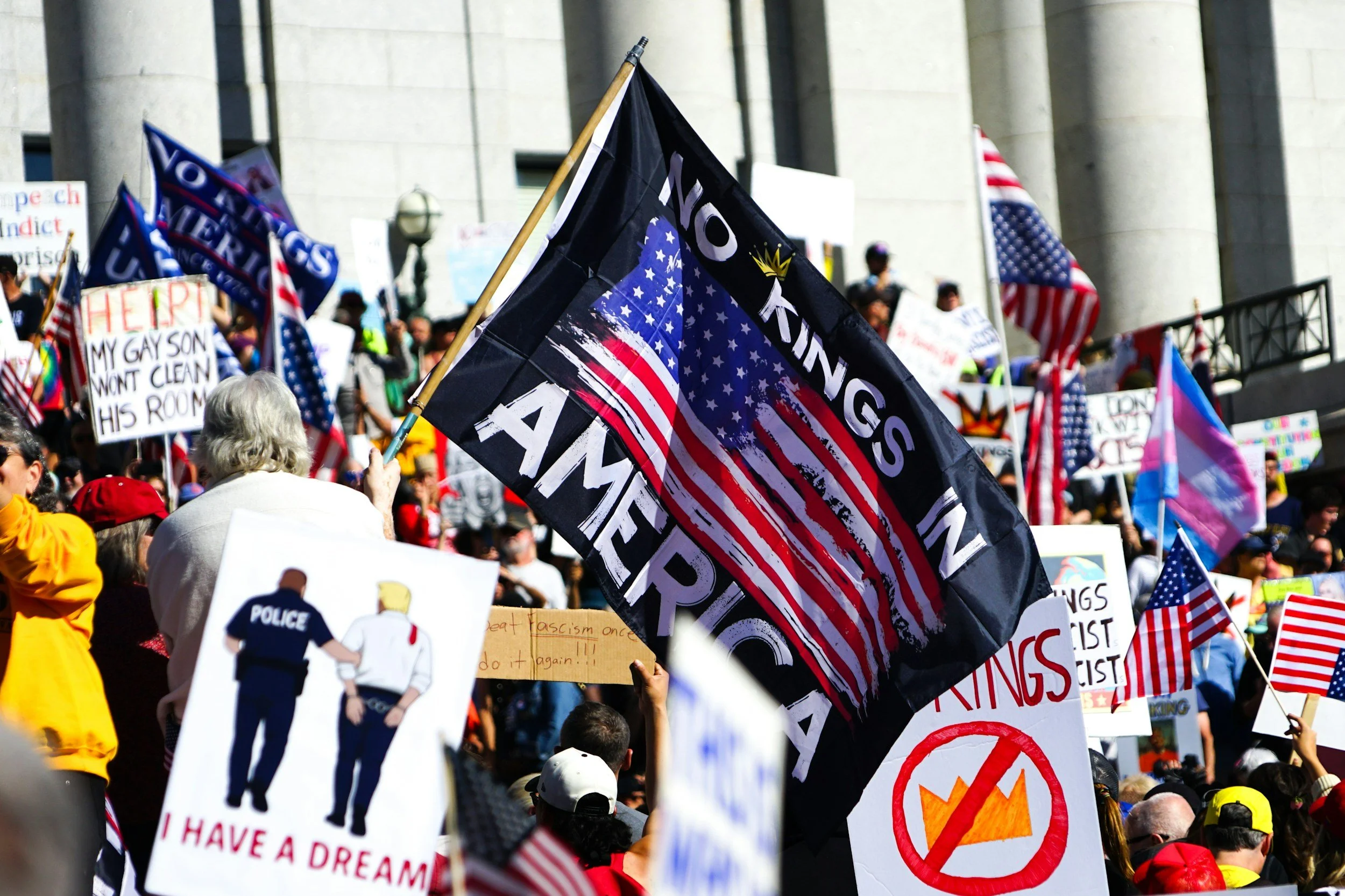
The November 3 midterm elections are approaching, and many Americans are carrying considerable stress about what happens next. Some are anxious about the outcome. Others are concerned about their families, finances, healthcare, personal rights, or the direction of the country. The constant stream of political advertising, social media arguments, disturbing headlines, and conflicting information adds another layer of tension.
Political stress has become a significant public health concern. In the American Psychological Association’s 2024 Stress in America survey, 77% of adults identified the future of the nation as a significant source of stress. Following that election, 65% reported that concerns about the country’s future had affected their physical or emotional health.
These experiences deserve our attention because stress affects considerably more than our mood.
As an integrative clinician, I regularly work with patients whose chronic pain, fatigue, headaches, digestive complaints, and sleep disturbances become more pronounced during periods of prolonged stress. Political uncertainty can contribute to that burden, particularly for people whose personal circumstances are directly affected by government decisions.
Our bodies respond to the demands placed upon them, regardless of whether those demands originate at work, at home, or in the larger world.
Understanding that response gives us an opportunity to care for ourselves more effectively.
What political stress does to the body
Our nervous systems continuously monitor our surroundings for information about safety, uncertainty, and potential threats.
When we encounter something stressful, the sympathetic nervous system increases activity. Heart rate may rise, breathing becomes faster, muscles develop greater tension, and stress hormones such as adrenaline and cortisol help prepare the body for action.
These responses are normal and useful during short periods of challenge. Prolonged activation, however, can interfere with sleep, digestion, concentration, immune regulation, and recovery.
For someone already managing fibromyalgia, chronic fatigue, migraines, hypertension, IBS, or another chronic condition, increased stress may contribute to more frequent or intense symptoms.
The physical signs can be surprisingly familiar. Neck and shoulder tension, jaw discomfort, headaches, digestive changes, fatigue, irritability, and poor sleep are common responses to prolonged stress.
Our bodies maintain a record of the demands placed upon them. I often describe this as the body keeping a ledger. Every difficult experience requires resources, and recovery requires sufficient opportunity to replenish those resources.
Political stress becomes more difficult to manage when the demands continue to accumulate without adequate recovery.

Understanding stress through Chinese medicine
Traditional Chinese Medicine offers another useful way to understand the connection between emotional stress and physical health.
In TCM, prolonged emotional tension commonly affects the Liver system, which helps regulate the smooth movement of qi throughout the body. Qi is a traditional concept used to describe the body’s functional activity and capacity for movement, transformation, and regulation.
When Liver qi becomes constrained, patients may experience muscular tension, headaches, irritability, chest discomfort, digestive disturbances, or disrupted sleep.
Stress may also affect the Spleen system, which governs digestion and the transformation of food into nourishment. This helps explain why some people lose their appetite during stressful periods while others develop bloating, loose stools, cravings, or abdominal discomfort.
Prolonged stress and insufficient recovery may contribute to patterns of Kidney deficiency, particularly when fatigue, poor sleep, and diminished resilience are already present.
These are traditional diagnostic patterns rather than direct equivalents of Western anatomical disease.
The treatment principle is to regulate qi, reduce excessive tension, support digestion, nourish depleted systems, and restore a healthier rhythm between activity and recovery.
Acupuncture, qigong, breathing exercises, food therapy, and appropriate rest may all contribute to that process.
Before Election Day: protecting your capacity
We have considerable influence over how we prepare our bodies for stressful periods. The week before an election is a good opportunity to strengthen the daily habits that support physical and mental health.
Maintain your sleep schedule
Sleep is one of the first things people sacrifice when anxiety increases. Late-night news coverage, political discussions, and scrolling through social media can keep the nervous system stimulated well past bedtime.
Aim for seven to nine hours of sleep, maintain a consistent bedtime, and give yourself an opportunity to disconnect from political content before going to bed.
Poor sleep increases pain sensitivity, disrupts emotional regulation, and reduces our capacity to manage the following day’s challenges.
Move every day
Movement helps regulate stress physiology, improve circulation, reduce muscular tension, and support mood.
A 20-minute walk, gentle yoga session, or short qigong practice can help interrupt prolonged periods of sitting, worrying, or consuming news.
The Golden Eight qigong exercises are particularly useful because they combine slow movement, controlled breathing, balance, and focused attention.
Patients managing chronic pain or post-exertional symptom exacerbation should choose movement that respects their current capacity. Recovery should guide the amount and intensity of activity.
Eat consistently and nourish your body
Stress often disrupts normal eating habits. Some people skip meals, while others rely more heavily on caffeine, convenience foods, alcohol, or sugary snacks.
Keep your meals consistent and emphasize vegetables, adequate protein, whole-food carbohydrates, healthy fats, and sufficient fluids.
In Chinese medicine, warm, cooked meals may be particularly useful for people experiencing digestive discomfort, fatigue, or poor appetite during periods of stress.
There is little benefit in adding restrictive food rules to an already difficult week. The goal is dependable nourishment.
Set boundaries around political information
Staying informed is important. Continuous exposure to distressing information can become exhausting.
Consider checking reliable news sources at scheduled times rather than keeping political coverage running throughout the day.
Pay attention to how you feel after consuming political content. Increased muscle tension, irritability, headaches, rapid breathing, or difficulty concentrating may indicate that your body needs an interruption.
Taking a break allows your nervous system time to recover and gives you space to evaluate information more carefully.
Election Day: remain grounded
Election Day can bring anticipation, uncertainty, and considerable emotional intensity.
One useful strategy is to maintain as much of your regular routine as possible. Eat breakfast, get outside, move your body, connect with someone you trust, and allow time for activities unrelated to politics.
For those experiencing increased anxiety, a simple breathing practice may help.
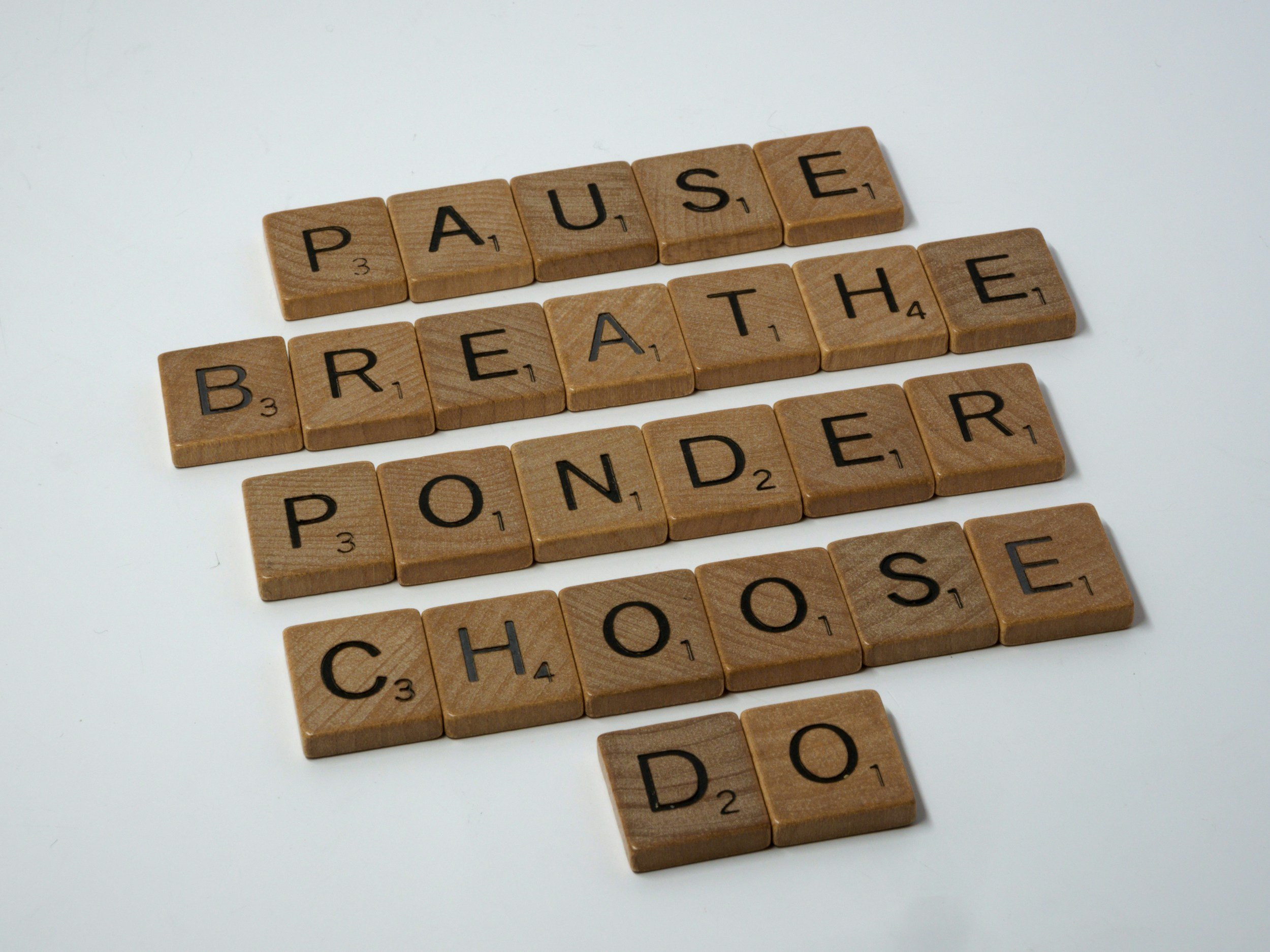
Sit comfortably with your feet supported. Inhale gently through the nose for approximately four seconds and exhale slowly for six seconds. Continue for two or three minutes at a comfortable pace without forcing your breathing.
Longer, relaxed exhalations may help reduce physiological arousal. People who experience dizziness or breathing discomfort should return to their normal breathing pattern.
It is equally important to remember that election results may take time to become clear. Constantly refreshing news feeds throughout the evening can maintain a heightened state of anticipation.
Choose a reasonable time to stop monitoring coverage and allow yourself to rest.
After the election: processing the emotional response
The days following an election can be emotionally complicated.
Some people may experience relief, satisfaction, or renewed motivation. Others may experience disappointment, anger, fear, sadness, or uncertainty. Some will experience several of these emotions simultaneously.
These reactions may be particularly intense when election outcomes have direct implications for someone’s family, safety, healthcare, employment, or community.
Our emotional responses deserve attention, and the body still needs the same fundamental resources for recovery.
Maintain your sleep schedule, continue moving, eat regularly, and spend time with people who provide genuine support.
Give yourself permission to process what has happened without requiring an immediate response to every headline, statement, or argument.
For people with a history of trauma, political developments can also activate previous experiences of instability, discrimination, or loss of control. Recognizing that connection may help explain the intensity of certain responses and guide appropriate support.
A counselor, therapist, trusted healthcare professional, or supportive community can provide additional help when stress begins interfering with daily functioning.
Protecting relationships during political disagreement
Political disagreements can become especially difficult when they involve people we love.
Healthy boundaries help preserve our emotional capacity. We can engage in meaningful conversations while choosing how much time and energy to devote to them.
Some disagreements involve policy preferences. Others involve deeply held values, personal experiences, or questions of safety and dignity. These conversations carry different emotional weight.
You have the ability to determine which discussions deserve your attention, which relationships require clearer boundaries, and when a conversation has reached its productive limit.
Supporting our mental health also means maintaining meaningful connections with people who understand our experiences and respect our humanity.
Isolation can intensify stress, especially during periods of uncertainty. Spending time with friends, family, neighbors, or community groups can provide reassurance and practical support.
Connection is one of the resources that helps us recover.
Discernment is part of protecting our mental health
One of the greatest challenges during an election is the amount of information competing for our attention.
Disturbing headlines, misleading statistics, emotionally charged videos, and conflicting interpretations can create confusion and unnecessary stress.
Before responding to political information, consider three questions:
What is the source, and can the claim be verified?
What information or context may be missing?
What response is actually within my control?
These questions create an opportunity to evaluate information before allowing it to determine our emotional state or behavior.
Discernment helps us use our attention more deliberately. It also strengthens our ability to participate in civic life with greater confidence.
After the results: restoring personal and collective agency
Elections represent one part of a much larger civic process.
Our relationships, neighborhoods, workplaces, schools, and communities continue to require attention after the ballots have been counted.
Many people feel overwhelmed when they focus primarily on problems that appear too large for one person to influence. That sense of limited control can contribute to chronic stress and emotional exhaustion.
Personal agency grows when we identify meaningful actions within our reach. Collective agency develops when people organize, share resources, solve problems, and support one another.
That may involve attending community meetings, helping a neighbor, participating in local organizations, learning more about a policy issue, or simply creating time for a thoughtful conversation.
The goal is sustainable engagement. Our communities benefit from people who have the capacity to remain involved over time.
How Stockheart Whole Health can help
At Stockheart Whole Health, we recognize that physical symptoms and emotional experiences often influence one another.
During stressful periods, our approach may include acupuncture for pain and stress-related symptoms, gentle chiropractic care for musculoskeletal discomfort, therapeutic bodywork, qigong, breathing practices, and individualized nutrition and lifestyle guidance.
Care is based on the patient’s presentation, health history, preferences, and current capacity.
We also recognize that some circumstances create greater stress than others. Economic insecurity, discrimination, chronic illness, caregiving responsibilities, and traumatic experiences can affect how much capacity a person has available.
Our responsibility is to provide respectful, individualized care that supports recovery and helps patients maintain their health through challenging circumstances.
Taking care of ourselves beyond November 3
The election will take place on November 3. Our need for physical health, emotional stability, supportive relationships, and meaningful participation in our communities will continue well beyond that date.
We cannot always control the events taking place around us. We can strengthen our ability to respond through consistent care for our bodies, thoughtful management of our attention, and connection with others.
Protect your sleep. Nourish your body. Move regularly. Set boundaries. Verify information. Stay connected.
And give yourself enough room to recover.
Our individual and collective capacity is one of the most important resources we have.
At Stockheart Whole Health, we’re here to help you protect and rebuild that capacity, whatever the coming weeks bring.
Dr. Stephen Thompson, DC, DACM, FAIHM
Stockheart Whole Health | Minneapolis, Minnesota
www.stockheart.com
References and further reading
American Psychological Association. Stress in America 2024: A Nation in Political Turmoil.
American Psychological Association. Stress, Politics, and the Holidays: A Postelection Survey (2024).
Centers for Disease Control and Prevention. Managing Stress (2026).
Federal Election Commission. Election and Voting Information (2026).
This article is intended for education and wellness support. It does not replace individualized medical or mental healthcare.
Light and Peace,
Dr. Stephen Thompson DACM DC CNT BCTMB FAIHM
Chiropractor, TCM Doc, Nutritionist, Bodyworker, Integrative Medicine,
Speaker, Consultant, Program Designer, Trauma-Informed, Whole Person Health
Stockheart Whole Health LLC
Rooted Reclaimers LLC
GreyDoc Consulting LLC
Email: docthompsondacmdc@gmail.com
Web: www.Stockheart.com
Web: www.RootedReclaimers.com
Web: www.GreyDocConsulting.com
Cell: 612-314-3321
NWHSU Email: Stephenthompson@nwhealth.edu
Associate Professor/Clinic Supervisor