
Supporting the Nervous System in Late Winter: Small Shifts That Matter

Late winter Minnesota, wired and tired, stress management, disrupted sleep, seasonal affective disorder
Late winter hits differently.
As the early-winter energy fades and daylight still runs short, a lot of people carry the cumulative weight of months of stress, illness exposure, disrupted sleep, and emotional load. This is a common season for feeling tired, irritable, wired but exhausted, more reactive to pain, and less resilient than usual.
Nothing about that means you failed or are less than. Your nervous system is showing you how much it has been holding on to without discharge.
You do not need a full reset. Most people need a few steady inputs that help the body downshift and recover.
This is exactly where seasonal regulation and acupuncture matter.
Late Winter Nervous System Dysregulation: Why It Happens
From both modern neurophysiology and East Asian medicine, late winter is a conservation season. The body prioritizes essential functions and reduces extra output. Life rarely cooperates with that.
Work demands, caregiving, chronic illness, financial stress, conflict, and nonstop stimulation keep the nervous system activated. Over time, your system starts running on protective settings.
In clinic, late-winter nervous system load often shows up as:
Trouble falling asleep or staying asleep
Wired-tired fatigue and brain fog
Anxiety spikes, irritability, emotional sensitivity
Muscle tension, jaw clenching, headaches, neck tightness
Digestive shifts: reflux, bloating, constipation, loose stool
Increased pain sensitivity, flare-ups of chronic pain
Feeling overwhelmed by tasks, decisions, or social interaction
Lowered immune resilience, slower recovery after minor illness
These patterns point to load. They also point to a clear clinical target: nervous system regulation.
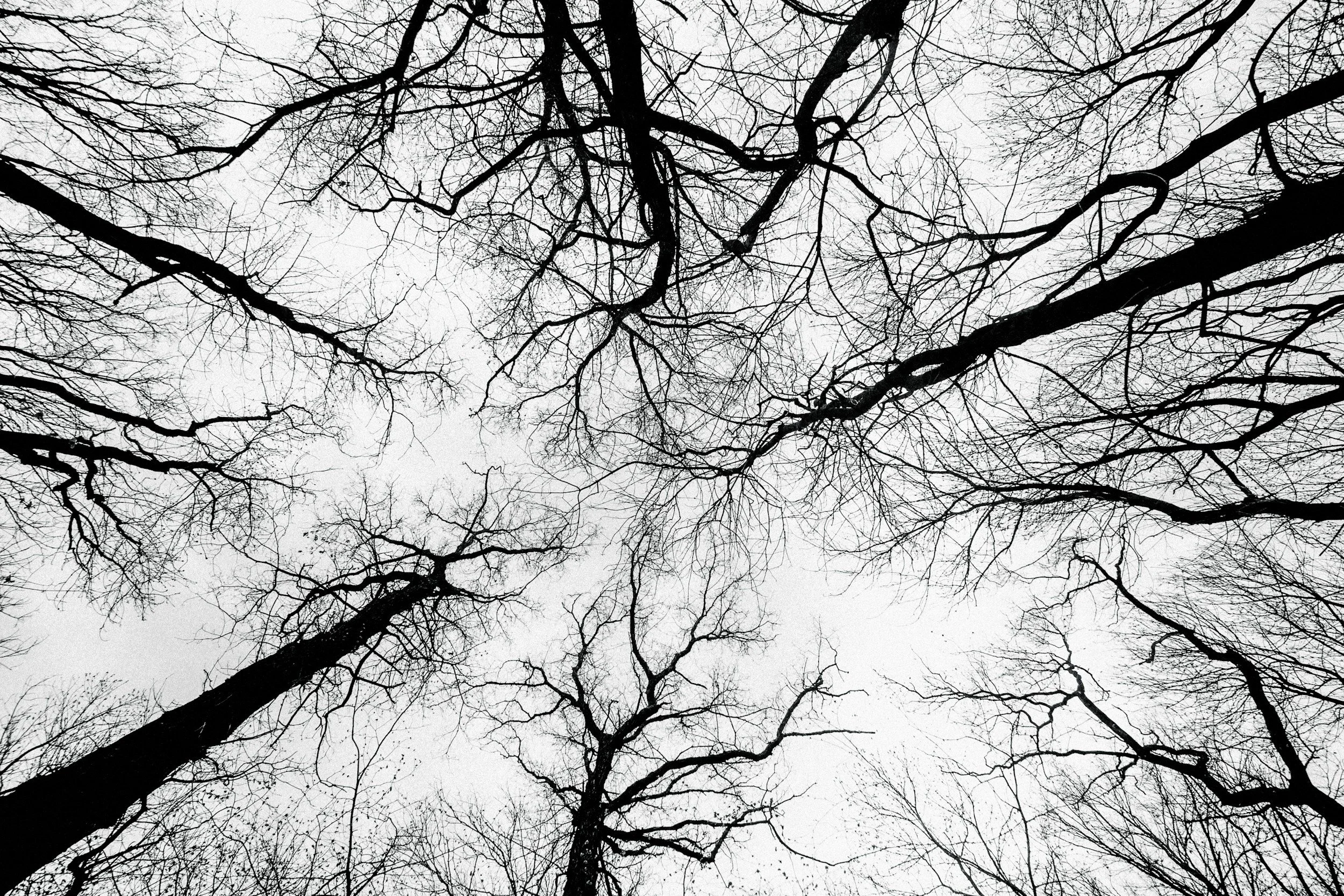
Gray sky with tree branches reaching out, branches like the nervous system, late winter sky in Minnesota, late winter in Minnesota, tired and wired, nervous system reset, regulation, acupuncture to reconnect
Seasonal Regulation: What We Mean at Stockheart
Seasonal regulation is not a trend. It is a practical approach to supporting the body in the context of environment and stress.
Late winter asks for more warmth, steadier rhythm, gentler consistency, and more recovery capacity.
Most people try to override the season with more caffeine, more intensity, and more screen time. The nervous system responds by staying on alert. Sleep becomes lighter, digestion gets sensitive, and pain patterns become louder.
We take a different approach: support the physiology that creates resilience.
How Acupuncture Supports Nervous System Regulation in Late Winter
Acupuncture is one of our most effective tools for late-winter regulation because it helps the body shift out of prolonged stress activation and into a state that supports rest, digestion, immune function, and tissue repair.
In plain terms, we use acupuncture to help your system settle.
During late winter, acupuncture commonly supports:
Calming sympathetic overactivity (the always-on stress response)
Strengthening parasympathetic tone (rest, digestion, repair)
Improving sleep quality and depth
Reducing stress-related muscle tension and pain sensitivity
Supporting immune balance and recovery capacity
Stabilizing digestion when stress disrupts gut function
Many patients describe the experience as a downshift they cannot access on their own. That downshift matters because the body does more healing in a regulated state.
Clinical note: Acupuncture works best as a series when the goal is regulation, sleep repair, and resilience, especially during seasons of cumulative stress.

Late winter in Minnesota, dried berries on the tree, short days and long nights, seasonal affective disorder (SAD), tired and wired, sleep disturbance
Sleep, Immune Support, Pain, and Emotional Load Are Connected
Late winter sleep complaints are some of the most common issues we see. Sleep problems rarely exist in isolation.
When the nervous system stays activated, sleep becomes lighter and more fragmented. Then the downstream effects stack quickly:
Immune resilience drops
Pain sensitivity rises
Emotional regulation becomes harder
Recovery slows
Cravings increase and blood sugar swings intensify
A lot of late winter fatigue is the combination of stress physiology plus low-quality recovery.
We focus on improving the conditions for sleep rather than pushing aggressive optimization. The nervous system responds better to gentle consistency than force.
You Don't Need a Full Reset: Small Shifts That Matter
A taxed nervous system does not want a dramatic overhaul. Big lifestyle changes can add pressure and increase activation.
Late winter responds to small, steady inputs you can repeat.
1) Warmth is nervous system support
Warmth reduces threat signaling and helps muscles release.
Try:
Warm breakfast most days
Warm drinks between meals, like golden milk. Consider adding cinnamon for to boost the warming properties even more!
Heating pad on low back or belly in the evening
Hot shower as a transition into evening, not just hygiene
2) Protect your sleep before adding new routines
Start with bookends. Your brain needs a clear start and stop.
Morning light as early as possible, even through a window
Evening dimming for 30–60 minutes: lower lights, lower stimulation, lower conflict
A consistent bedtime target most nights
3) Eat for blood sugar stability, especially early
Late winter nervous systems love predictable fuel. Coffee alone often drives anxiety, cravings, and afternoon crashes.
Aim for protein early: eggs, Greek yogurt, leftovers with protein, smoothie with protein.
4) Choose movement that warms, not punishes
Movement should create circulation and rhythm.
Options: 10–20 minute walk, mobility flow, light strength circuit, Qi Gong, gentle bike.
5) Add one boundary that protects recovery
Boundaries are physiology. They reduce the inputs that keep the system activated.
Pick one:
No work messages after a set time
A daily decompression block after work
Phone facedown during meals
A protected wind-down routine
6) Hydrate with minerals, not just water
Stress increases mineral loss. Many people feel dry but wired.
Consider: electrolyte packet with low sugar, broth or miso, mineral water.
What We're Seeing in the Clinic Right Now
Late winter patterns we hear daily:
"I'm sleeping but not recovering."
"My jaw and neck stay tight all day."
"My digestion is off and my cravings are intense."
"My emotions sit closer to the surface."
"My immune system feels sensitive."
"My chronic pain flares with the cold and stress."
These are common presentations in late winter. They are also responsive to care and to a few strategic shifts.
A Simple Late Winter Nervous System Plan (7 Days)
Choose three and repeat them for one week:
Warm breakfast with protein
Morning light for 5–10 minutes
15 minutes of warm movement
One mineral-rich drink daily
One evening boundary that protects sleep
One acupuncture session to support downshifting and recovery
These steps look small. Their impact compounds.
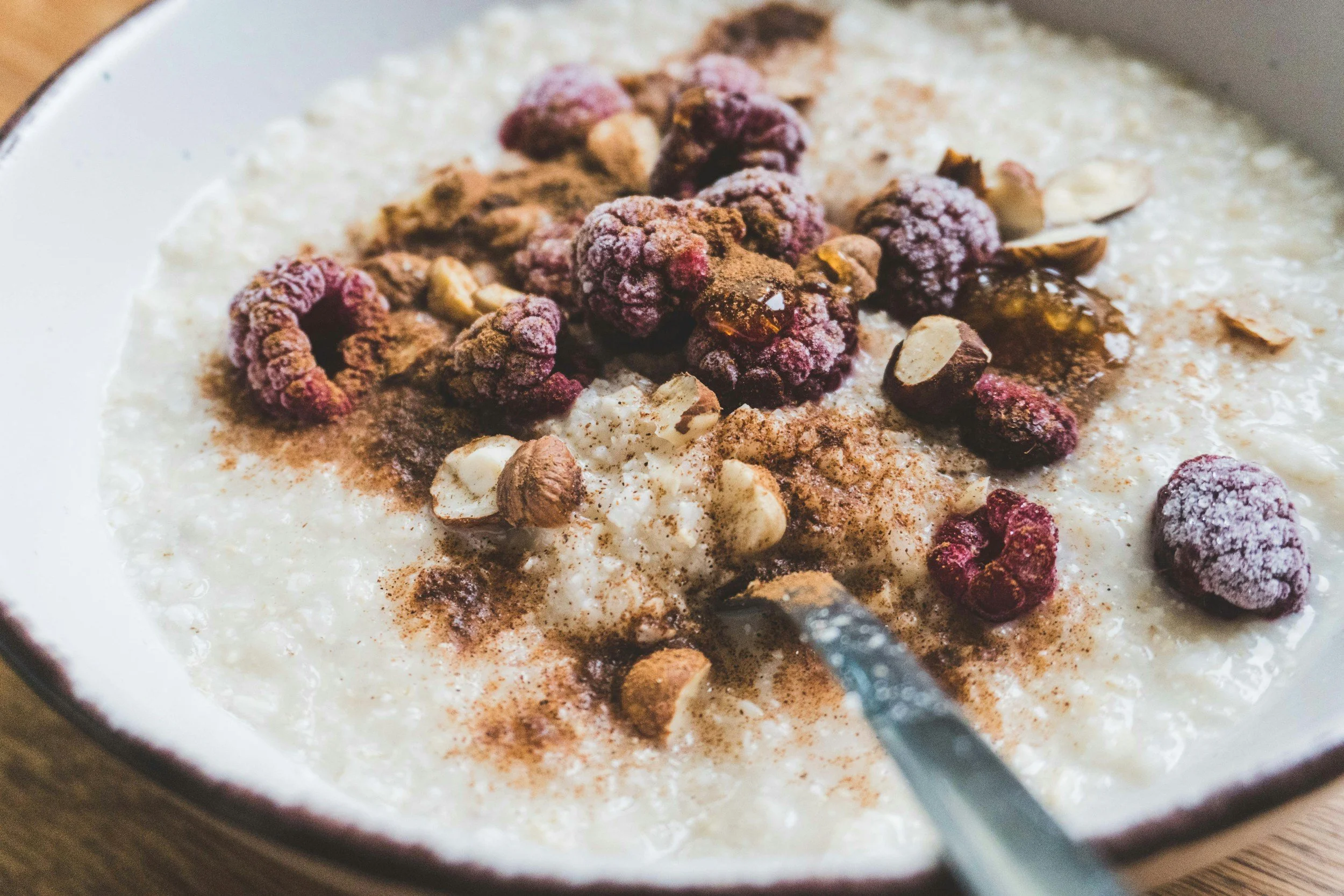
Warm breakfast, porridge with cinnamon, nuts, and berries, warming from the inside, starting the day out right, late winter in Minnesota, seasonal affective disorder (SAD)
Supporting the Nervous System is Preventive Care
Late winter is not the season to demand peak performance. It is the season to stabilize, recover capacity, and reduce the risk of burnout, immune compromise, and symptom flares.
When the nervous system feels supported, the rest of the body often follows.
You do not need to do everything differently.
You need a few things that actually support you.
Work With Us: Acupuncture and Seasonal Regulation in Minneapolis
At Stockheart Whole Health, we use acupuncture, manual therapies, and lifestyle-based care to support nervous system regulation, sleep repair, immune resilience, and stress physiology.
Stockheart Whole Health (inside Odigo Wellness)
3115 Hennepin Avenue, Minneapolis, MN 55408
Call or text: 612-448-4434
Email: hello@stockheart.com
FAQ: Late Winter Nervous System Support
Why do I feel more tired in late winter even when I sleep?
Late winter often reduces sleep depth. Stress load, limited daylight, and nervous system activation can keep your system from fully recovering.
Can acupuncture help with stress, sleep, and nervous system regulation?
Yes. Many people experience improved downshifting, deeper sleep, and reduced tension over a short series of treatments.
What is the fastest lifestyle shift that helps most people?
Protein early, consistent meals, and an evening wind-down routine tend to improve stability quickly.
Why does late winter worsen chronic pain?
Cold exposure, reduced movement, stress activation, and poor sleep can increase muscle tension and raise pain sensitivity.
How many acupuncture sessions do people usually need?
It varies. For regulation and sleep repair, many people do better with a short series rather than a single session.